- What Is Zepbound?
- Zepbound vs Mounjaro — Same Molecule, Different Brand
- How Zepbound Works
- FDA-Approved Indications in 2026
- SURMOUNT Clinical Trial Program
- SURMOUNT-1 — Weight Management in Adults Without Diabetes
- SURMOUNT-5 — Head-to-Head Against Wegovy
- SURMOUNT-OSA — Sleep Apnea Outcomes
- SURMOUNT-4 — Discontinuation Effects
- Zepbound Dosing Schedule
- Side Effects
- Black Box Warning
- Cost and Access Reality
- List Pricing (May 2026)
- LillyDirect Self Pay Program (December 2025 Update)
- KwikPen 4-Dose Monthly Format (March 2026)
- Insurance Coverage Patterns
- Annual Cost Reality Across Pathways
- Zepbound vs Wegovy
- Zepbound vs Compounded Semaglutide
- Storage and Handling
- Drug Interactions and Contraindications
- Who Should Choose Zepbound
- Who Should Consider Alternatives
- Frequently Asked Questions
- Is Zepbound the same as Mounjaro?
- How much weight will I lose on Zepbound?
- Will I regain weight if I stop Zepbound?
- Is Zepbound covered by Medicare?
- Does Zepbound really work for sleep apnea?
- Is compounded tirzepatide available?
- Is there generic Zepbound available?
- What’s the difference between Zepbound and Wegovy?
- Can I switch from Wegovy to Zepbound?
- The Bottom Line for May 2026
Affiliate disclosure: This article contains affiliate links. We may earn commission when you purchase through partner links, at no extra cost to you. Editorial independence preserved — recommendations based on provider compliance and patient outcomes, not commission rates.
Tirzepatide (most commonly prescribed as Zepbound) was the most prescribed weight management medication in 2025 — a position established through the SURMOUNT trial program demonstrating up to 20.9% body weight reduction at the maximum 15 mg dose in adults without diabetes, followed by the December 2024 expansion into obstructive sleep apnea (the first FDA-approved pharmacotherapy for OSA in adults with obesity). The 2025-2026 period brought additional substantial changes: the December 2025 LillyDirect Self Pay Program price reduction extending $299/$399/$449 monthly tiers to both single-dose vials and KwikPen formats, and the March 2026 FDA approval of a 4-dose KwikPen delivering a full month of treatment in one device.
This guide covers what Zepbound actually is, how the dual GIP/GLP-1 mechanism works for both weight management and sleep apnea, current 2026 dosing protocols (which differ between indications), the substantial SURMOUNT clinical evidence base including head-to-head comparison against Wegovy, side effects and contraindications, the cost-and-access landscape with LillyDirect pricing and the upcoming Medicare GLP-1 Bridge program, and how Zepbound compares to its tirzepatide sibling Mounjaro, to Wegovy for weight management, and to compounded semaglutide alternatives for cash-pay patients facing access constraints.
What Is Zepbound?
Zepbound is the brand name under which Eli Lilly markets tirzepatide specifically for chronic weight management and obstructive sleep apnea. The active ingredient — tirzepatide — is the same molecule used in Mounjaro (the diabetes brand of tirzepatide), but Zepbound is the only tirzepatide formulation FDA-approved for weight management and OSA indications.
Key Zepbound facts for May 2026:
- Active ingredient: Tirzepatide (dual GIP/GLP-1 receptor agonist)
- Manufacturer: Eli Lilly
- Initial FDA approval: November 8, 2023 (chronic weight management)
- OSA approval: December 20, 2024 (first pharmacotherapy approved for OSA in adults with obesity)
- KwikPen FDA approval: March 2026 (4-dose monthly device)
- Formulation: Once-weekly subcutaneous injection
- Doses: 2.5, 5, 7.5, 10, 12.5, 15 mg
- Delivery formats: Single-dose injection pens, single-dose vials, and 4-dose monthly KwikPen
- List price: Approximately $1,059-$1,086 per month before insurance or savings programs
- LillyDirect Self Pay Program: $299 (2.5 mg) / $399 (5 mg) / $449 (7.5-15 mg) per month with 45-day refill compliance; without refill compliance, higher doses run $599-$1,049/month
- Shortage status: Resolved December 19, 2024; tirzepatide has not returned to the FDA shortage list at any point since
Zepbound vs Mounjaro — Same Molecule, Different Brand
Zepbound and Mounjaro contain identical active ingredient at identical dose strengths. The distinctions are entirely regulatory and access-related:
- Active ingredient and doses: Identical — tirzepatide at 2.5, 5, 7.5, 10, 12.5, 15 mg
- FDA indication: Zepbound for chronic weight management (BMI ≥30, or BMI ≥27 with weight-related comorbidities) and obstructive sleep apnea in adults with obesity. Mounjaro for type 2 diabetes glycemic control.
- Insurance coverage patterns: Mounjaro typically covered for T2D patients; Zepbound coverage variable for obesity (often excluded as “lifestyle medication”) and improving for OSA following 2025 formulary updates.
- Self-pay programs: Zepbound has dedicated LillyDirect Self Pay Program ($299-$449 with refill compliance); Mounjaro does not have an equivalent direct-to-consumer self-pay channel.
- Manufacturer and pen format: Same — Eli Lilly produces both; once-weekly subcutaneous injection.
Practical implication: prescribers select Zepbound vs Mounjaro based on FDA indication matching the patient’s primary diagnosis (T2D → Mounjaro; obesity or OSA → Zepbound), which affects insurance coverage eligibility. The medications are chemically interchangeable but their access pathways are not.
For complete Mounjaro guide, see: Mounjaro Complete Guide for 2026.
How Zepbound Works
Tirzepatide is the first dual GIP/GLP-1 receptor agonist approved by the FDA — activating both the glucose-dependent insulinotropic polypeptide (GIP) receptor and the glucagon-like peptide-1 (GLP-1) receptor simultaneously. This dual mechanism distinguishes tirzepatide from pure GLP-1 agonists like semaglutide (in Wegovy and Ozempic).
GLP-1 Receptor Activation
- Central appetite suppression: Acts on hypothalamic GLP-1 receptors to reduce hunger signaling and what patients commonly describe as “food noise”
- Delayed gastric emptying: Slows the rate at which food leaves the stomach, prolonging satiety after meals. Mechanistic studies suggest tirzepatide’s effect on gastric emptying is more pronounced than with pure GLP-1 agonists — reflected in the specific oral contraceptive interaction warning on tirzepatide’s FDA labeling that is not present on pure GLP-1 agonist labels.
- Glucose-dependent insulin secretion: Stimulates insulin release when blood glucose is elevated, contributing to metabolic improvements observed alongside weight loss
- Glucagon suppression: Reduces glucagon secretion from pancreatic alpha cells
GIP Receptor Activation
- Enhanced insulin secretion: GIP signaling complements GLP-1’s insulinotropic effect
- Adipose tissue effects: GIP receptor activation influences fat cell metabolism through mechanisms still under active investigation. The role of GIPR agonism in tirzepatide’s overall metabolic effects is one of the more debated aspects of the dual mechanism — distinct from the well-established role of GLP-1 receptor activation.
- Energy expenditure: Preclinical and translational research suggests GIP signaling contributes to modest increases in energy expenditure, potentially augmenting weight loss effects beyond appetite suppression alone
The dual mechanism’s clinical translation: tirzepatide produces greater weight loss than pure GLP-1 agonists in head-to-head trials at maximum doses. In the SURMOUNT-5 trial directly comparing tirzepatide to semaglutide 2.4 mg (Wegovy) over 72 weeks, tirzepatide-treated patients lost an average of 20.2% body weight compared to 13.7% with semaglutide.
FDA-Approved Indications in 2026
Chronic Weight Management (November 2023)
Zepbound is approved as an adjunct to a reduced-calorie diet and increased physical activity for chronic weight management in:
- Adults with obesity (BMI ≥30 kg/m²)
- Adults with overweight (BMI ≥27 kg/m²) and at least one weight-related comorbid condition such as hypertension, type 2 diabetes, or dyslipidemia
Obstructive Sleep Apnea (December 2024)
Zepbound carries an FDA-approved indication for moderate-to-severe obstructive sleep apnea in adults with obesity. This indication is based on the SURMOUNT-OSA trial program, which demonstrated meaningful reductions in apnea-hypopnea index (the standard measure of OSA severity) alongside substantial weight loss in patients with and without concurrent positive airway pressure (PAP) therapy.
This approval was clinically significant — it was the first FDA approval of a pharmacotherapy specifically for OSA, expanding treatment options beyond positive airway pressure devices, oral appliances, and surgical interventions. The indication unlocked Medicare coverage for many patients who would not have qualified for weight management coverage but could access tirzepatide through the OSA pathway.
Important distinction: maintenance doses differ between indications. For weight management, recommended maintenance doses are 5 mg, 10 mg, or 15 mg weekly. For OSA, maintenance doses are 10 mg or 15 mg specifically (the 5 mg maintenance dose used in weight management is not the recommended OSA maintenance dose).
SURMOUNT Clinical Trial Program
The SURMOUNT trial program established Zepbound’s efficacy across diverse patient populations and treatment scenarios:
SURMOUNT-1 — Weight Management in Adults Without Diabetes
The pivotal weight management trial enrolled adults with obesity or overweight + comorbidities (without T2D), randomized to tirzepatide 5, 10, or 15 mg weekly versus placebo, over 72 weeks. NEJM treatment-regimen estimand results:
- 5 mg dose: -15.0% mean body weight reduction (approximately 34 lb / 15 kg in trial population)
- 10 mg dose: -19.5% mean body weight reduction (approximately 44 lb / 20 kg)
- 15 mg dose: -20.9% mean body weight reduction (approximately 48 lb / 22 kg)
- Placebo: -3.1% mean body weight reduction
SURMOUNT-5 — Head-to-Head Against Wegovy
This Phase 3b trial directly compared tirzepatide (maximum tolerated dose 10 or 15 mg) against semaglutide 2.4 mg (Wegovy) in adults with obesity over 72 weeks:
- Tirzepatide: 20.2% mean body weight reduction (approximately 50 lb)
- Semaglutide 2.4 mg: 13.7% mean body weight reduction (approximately 33 lb)
SURMOUNT-5 was the first head-to-head trial demonstrating greater weight loss with tirzepatide compared to semaglutide at their respective maximum doses for obesity treatment. The trial design was open-label with the primary outcome measured at 72 weeks.
SURMOUNT-OSA — Sleep Apnea Outcomes
Two Phase 3 trials evaluated tirzepatide 10 mg or 15 mg doses versus placebo in adults with moderate-to-severe OSA and obesity, with or without concurrent positive airway pressure (PAP) therapy. Key findings supporting the December 2024 FDA approval:
- In patients receiving PAP therapy: Tirzepatide reduced apnea-hypopnea index by approximately 29 breathing disruptions per hour, compared to a reduction of approximately 6 disruptions per hour with placebo
- In patients not using PAP therapy: Substantial reduction in breathing disruptions with tirzepatide versus placebo, alongside meaningful weight loss
- Weight loss outcomes: Significant weight reduction across both PAP and non-PAP cohorts
SURMOUNT-4 — Discontinuation Effects
This trial established the consequences of tirzepatide discontinuation. Patients who stopped treatment regained approximately 14% of body weight within a year of stopping, while those who continued treatment lost additional weight. The data supports the framing of tirzepatide as long-term treatment for chronic obesity, similar to how insulin or blood pressure medications are typically lifelong.

Zepbound Dosing Schedule
Weight Management Titration
- Weeks 1-4: 2.5 mg once weekly (starter dose; not a maintenance dose, used for GI tolerance initiation)
- Weeks 5-8: 5 mg once weekly
- Weeks 9-12: Continue 5 mg, or escalate to 7.5 mg if additional response needed
- Weeks 13-16: 7.5 mg or 10 mg once weekly
- Weeks 17-20: 10 mg or 12.5 mg once weekly
- Weeks 21+: 12.5 mg or 15 mg once weekly (maximum maintenance dose)
Recommended maintenance doses for weight management are 5 mg, 10 mg, or 15 mg. Many patients stabilize at lower doses (5 mg or 10 mg) without needing the maximum dose if adequate weight reduction is achieved.
OSA Titration
The titration schedule for OSA follows the same pattern as weight management, but maintenance doses are limited to 10 mg or 15 mg. The 5 mg maintenance dose available for weight management is not the recommended maintenance dose for OSA — patients with OSA should titrate to at least 10 mg.
For comprehensive dosing protocols including missed-dose handling and dose adjustments, see: Tirzepatide Dosage Chart: Complete Protocol Guide.
Side Effects
Common Side Effects
- Gastrointestinal: Nausea, vomiting, diarrhea, constipation, abdominal pain. Most common during titration weeks, typically peaks during dose escalations and improves with dose stability. Eating smaller meals, avoiding high-fat foods, and staying well hydrated reduces severity for most patients.
- Decreased appetite: The intended pharmacologic effect — central appetite suppression contributing to weight reduction
- Fatigue: Common during early titration weeks, typically resolves with continued treatment
- Injection site reactions: Minor redness, itching, or bruising at injection sites. Rotating injection sites (abdomen, thigh, upper arm) reduces incidence.
- Hair changes: Increased shedding reported anecdotally, typically associated with rapid weight loss rather than direct medication effect — often resolves as weight stabilizes
- Belching: Reported by some tirzepatide patients during titration; tirzepatide’s FDA label lists eructation as an adverse reaction occurring in approximately 5-6% of patients
- “Ozempic face” / facial volume loss: Cosmetic consequence of rapid weight reduction. Not a direct medication effect — occurs with any rapid weight loss mechanism.
Less Common but Serious
- Pancreatitis: Rare but reported. Discontinue if suspected, with imaging and lipase evaluation. Avoid Zepbound in patients with history of pancreatitis.
- Gallbladder disease: Increased risk of gallstones and cholecystitis, particularly with rapid weight loss
- Acute kidney injury: Usually associated with severe vomiting and dehydration during titration. Maintaining hydration during titration weeks helps prevent this complication.
- Severe gastroparesis: Delayed gastric emptying that becomes clinically significant — may require discontinuation if symptoms persist beyond titration phase
- Hypoglycemia: Rare with Zepbound monotherapy due to glucose-dependent insulin secretion mechanism. Relevant primarily when combined with insulin or sulfonylureas in patients with diabetes.
- Hypersensitivity reactions: Including anaphylaxis and angioedema. Rare but reported.
For comprehensive side effect management strategies, see: GLP-1 Side Effects: Complete Survival Guide.
Black Box Warning
Zepbound carries an FDA black box warning regarding thyroid C-cell tumors observed in rodent studies. Do not use Zepbound if you or your family have a history of medullary thyroid carcinoma (MTC) or Multiple Endocrine Neoplasia syndrome type 2 (MEN 2).
The clinical relevance of rodent thyroid findings to humans remains uncertain after several years of broad tirzepatide clinical use. The warning applies to all medications in the GLP-1/dual incretin class and the personal/family history exclusion criterion is consistently observed in clinical practice.
Cost and Access Reality
The cost-and-access landscape for Zepbound has shifted substantially through 2025-2026 with multiple Eli Lilly program expansions. The current May 2026 picture is meaningfully different from the situation that prevailed at launch.
List Pricing (May 2026)
- Zepbound list price: Approximately $1,059-$1,086 per month (variations across published sources reflect different pricing tier references and effective dates)
LillyDirect Self Pay Program (December 2025 Update)
The December 2025 LillyDirect price reduction extended structured self-pay pricing across both single-dose vial and single-dose pen formats:
- $299/month: Starting dose 2.5 mg
- $399/month: 5 mg dose
- $449/month: 7.5 mg, 10 mg, 12.5 mg, 15 mg doses — with 45-day refill compliance
- Without refill compliance: Higher doses run $599-$1,049/month, depending on specific dose level
The 45-day refill compliance window is the critical structural element of the Self Pay Journey Program — patients who maintain the refill schedule access the reduced pricing tiers; patients who let prescriptions lapse beyond 45 days revert to substantially higher pricing for higher doses.
KwikPen 4-Dose Monthly Format (March 2026)
The March 2026 FDA approval of the Zepbound KwikPen — a multi-dose pen containing 4 weekly doses in a single device — represented a significant convenience improvement over single-use pens. KwikPen offers patients a full month of treatment in one device, reducing the packaging, storage, and disposal footprint of weekly injection therapy. KwikPen is available through LillyDirect at the same Self Pay Journey Program tiers as single-dose pens and vials.
Insurance Coverage Patterns
- Commercial insurance: Coverage varies dramatically by plan. Plans that exclude weight management medications as “lifestyle drugs” frequently deny Zepbound for obesity indication. Coverage for the OSA indication (added December 2024) is improving through 2025-2026 formulary updates as payers recognize the established sleep apnea treatment value.
- Zepbound Savings Card: Eligible commercially insured patients can pay as low as $25 for a one- or three-month supply of Zepbound single-dose pens. Government beneficiaries (Medicare, Medicaid) excluded per federal regulations.
- Medicare Part D (standard): Excludes weight loss medications. The OSA indication has unlocked Medicare coverage for many patients who qualify through the sleep apnea pathway rather than weight management.
- Medicare GLP-1 Bridge Program (July 2026): Will cover Zepbound KwikPen at $50/month for qualifying beneficiaries with BMI ≥35 or BMI ≥27 with weight-related comorbidities — representing a significant expansion of Medicare access to tirzepatide therapy.
- Medicaid: State-by-state variability; coverage for weight management is generally restricted but improving in some states.
Annual Cost Reality Across Pathways
- Zepbound without insurance (list pricing): $1,059-$1,086 × 12 ≈ $12,708-$13,032 per year
- Zepbound LillyDirect 2.5 mg ($299): $3,588 per year
- Zepbound LillyDirect 5 mg ($399): $4,788 per year
- Zepbound LillyDirect higher doses with compliance ($449): $5,388 per year
- Zepbound LillyDirect higher doses without compliance ($599-$1,049): $7,188-$12,588 per year
- Medicare GLP-1 Bridge (qualifying beneficiaries): $50 × 12 = $600 per year
- Compounded semaglutide via legitimate 503A providers: Approximately $147 first month + $297/month thereafter = approximately $3,414-$3,564 per year (different molecule)
For comprehensive cost analysis across all GLP-1 options, see: GLP-1 Cost Without Insurance: 2026 Reality Check.
Zepbound vs Wegovy
The two FDA-approved weight management injectable medications represent different active molecules with different efficacy profiles and access pathways:
- Active ingredient: Zepbound = tirzepatide (dual GIP/GLP-1 agonist). Wegovy = semaglutide (pure GLP-1 agonist).
- Maximum efficacy: Zepbound 15 mg produced approximately 21% body weight reduction at 72 weeks in SURMOUNT-1. Wegovy 2.4 mg produced approximately 15% body weight reduction at 68 weeks in STEP-1. Head-to-head SURMOUNT-5 confirmed greater weight loss with tirzepatide (20.2% vs 13.7%) over 72 weeks.
- Approved indications: Zepbound for chronic weight management + obstructive sleep apnea. Wegovy for chronic weight management + cardiovascular event reduction in non-diabetic patients with CVD.
- Oral formulations: Wegovy pill launched January 2026 (oral semaglutide 25 mg). No oral tirzepatide formulation exists as of May 2026.
- Self-pay pricing: Zepbound LillyDirect $299-$449/month with 45-day refill compliance; higher prices $599-$1,049/month without refill compliance. Wegovy injection $1,349/month list with $199 introductory offer for first 2 months; Wegovy pill maintenance $299/month.
- OSA indication: Only Zepbound has FDA-approved OSA indication. Wegovy is not approved for OSA.
- Cardiovascular indication: Only Wegovy has FDA-approved MACE reduction indication in non-diabetic patients with CVD. Zepbound does not currently carry an equivalent CV indication.
The choice depends substantially on individual clinical priorities: greater weight reduction efficacy favors Zepbound; established cardiovascular indication or oral formulation preference favors Wegovy; OSA presence makes Zepbound the only FDA-approved pharmacotherapy option.
For complete Wegovy guide, see: Wegovy Complete Guide for 2026.
Zepbound vs Compounded Semaglutide
For cash-pay patients without insurance coverage for Zepbound, compounded semaglutide through legitimate 503A telehealth providers represents an alternative access pathway — though with important caveats given the molecular and clinical differences:
- Different active molecules: Compounded semaglutide ≠ tirzepatide. The molecules have different receptor profiles (pure GLP-1 vs dual GIP/GLP-1) and different head-to-head efficacy results.
- Why not compounded tirzepatide? 503A compounding of tirzepatide is highly restricted after the February 18, 2025 enforcement deadline, with only narrow medical necessity exceptions remaining. The April 30, 2026 FDA proposed rule formalized exclusion of tirzepatide from the 503B Bulks List. The compounded tirzepatide pathway that was widely available during the 2022-2024 shortage years is no longer broadly accessible.
- Cost comparison vs LillyDirect: Compounded semaglutide ongoing pricing of $297/month versus Zepbound LillyDirect 7.5-15 mg dose tiers at $449/month with refill compliance represents approximately 34% savings. Versus higher Zepbound list pricing without LillyDirect ($1,059-$1,086/month), compounded semaglutide represents approximately 72% savings.
- Cost comparison vs Wegovy: Compounded semaglutide at $297/month vs Wegovy injection $1,349/month represents 78% savings — the more direct molecular comparison since both contain semaglutide.
- Clinical effectiveness: Tirzepatide produces greater weight loss than semaglutide in head-to-head SURMOUNT-5 (20.2% vs 13.7% at 72 weeks). Patients targeting maximum weight reduction may achieve better outcomes with brand-name tirzepatide; patients seeking meaningful weight reduction at lower cost may find semaglutide-based pathways acceptable.
- FDA approval status: Zepbound is FDA-approved; compounded preparations are not FDA-approved as finished products but operate under 503A patient-specific compounding authority.
- Insurance coverage: Both variable; compounded semaglutide virtually never covered.
The practical implication: patients with insurance covering Zepbound at affordable copays, or patients qualifying for the Medicare GLP-1 Bridge program, should typically pursue brand-name Zepbound. Patients without coverage who don’t qualify for compounded tirzepatide medical necessity exceptions and who can accept the molecular and efficacy differences may find compounded semaglutide a reasonable cost-accessible alternative.
For comprehensive analysis of compounded options, see: Compounded Semaglutide: The Complete 2026 Guide and Compounded Tirzepatide in 2026: What’s Legal, What’s Not.
💊 Looking for a Lower-Cost Compounded Option?
For cash-pay patients, compounded semaglutide is a lower-cost compounded option through a clinician-supervised telehealth model. Direct Meds offers Summer 2026 promotional pricing:
- Compounded Semaglutide: $147 first month ($150 OFF regular $297)
- Clinician-supervised dosing and titration support
- 503B compounding pharmacy network — patient-specific prescriptions
- LegitScript-certified telemedicine compliance
- USP <795> and USP <797> sterile compounding standards
- Available in 48 states (excludes MS and LA)
Compounded semaglutide contains semaglutide, but the compounded product itself is not an FDA-approved finished product and is not reviewed by the FDA for safety, effectiveness or quality. Whether it is appropriate for you is a decision for you and your clinician.
Storage and Handling
- Before use: Refrigerate (36-46°F / 2-8°C). Do not freeze. Discard if frozen.
- After removal from refrigerator: Single-dose pens and vials can be kept at room temperature (up to 86°F / 30°C) for up to 21 days. Discard after 21 days at room temperature.
- Single-dose pens: One use only — discard after the single dose
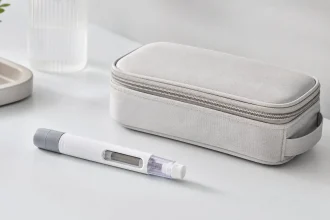
- KwikPen (4-dose monthly): Multi-dose device containing 4 weekly doses; storage requirements similar to single-dose pens once in use
- Light exposure: Keep devices in original packaging until use to protect from light
- Travel: Insulated cooler bag with ice pack for trips longer than 1-2 hours in warm conditions
Drug Interactions and Contraindications
Contraindications
- Personal or family history of medullary thyroid carcinoma (MTC)
- Multiple Endocrine Neoplasia syndrome type 2 (MEN 2)
- Known hypersensitivity to tirzepatide or any product excipient
- Pregnancy and breastfeeding — Zepbound should be discontinued at least 2 months before planned pregnancy due to potential fetal effects observed in animal studies
- Concurrent use with other tirzepatide-containing products or any GLP-1 receptor agonist medicines
Significant Drug Interactions
- Insulin and sulfonylureas (in T2D patients with concurrent diabetes): Significantly increased hypoglycemia risk. Dose reduction often required.
- Oral contraceptives: Tirzepatide’s substantial gastric emptying delay can reduce oral contraceptive absorption. FDA labeling recommends switching to a non-oral contraceptive method or using barrier contraception for 4 weeks after Zepbound initiation and 4 weeks after each dose escalation.
- Other oral medications: Tirzepatide’s gastric emptying delay can affect absorption of various oral medications — particularly relevant for medications with narrow therapeutic windows. This interaction is reflected in tirzepatide’s FDA-required oral contraceptive warning, which is not present on pure GLP-1 agonist labels.
- Warfarin and coumarin anticoagulants: Monitor INR more frequently when starting or adjusting Zepbound dose.
Who Should Choose Zepbound
- Significant weight management goals: Patients targeting maximum FDA-approved weight reduction efficacy have the strongest evidence base with Zepbound. SURMOUNT-1 demonstrated approximately 21% body weight reduction at maximum dose, and SURMOUNT-5 demonstrated greater weight loss than Wegovy in direct comparison.
- Moderate-to-severe OSA + obesity: Zepbound is the only FDA-approved pharmacotherapy for OSA in adults with obesity, representing a substantial expansion of treatment options beyond PAP devices, oral appliances, and surgery.
- LillyDirect Self Pay candidates: Patients without insurance coverage who can maintain 45-day refill compliance access structured pricing ($299-$449/month) substantially below list pricing.
- Medicare beneficiaries (post-July 2026): Qualifying Medicare beneficiaries can access Zepbound KwikPen at $50/month through the GLP-1 Bridge program — a substantial improvement over standard Medicare GLP-1 access.
- Commercial insurance with coverage: Patients whose insurance covers Zepbound with reasonable copays and savings card eligibility have access to FDA-approved manufacturing at low out-of-pocket cost.
- Convenience preference for monthly devices: The 4-dose KwikPen approved March 2026 provides a full month of treatment in a single device — meaningful convenience improvement over weekly single-use pens.
Who Should Consider Alternatives
- Need cardiovascular event reduction indication: Wegovy has FDA-approved MACE reduction indication in non-diabetic patients with established CVD (SELECT trial). Zepbound does not currently carry an equivalent indication. Patients prioritizing cardiovascular prevention as a primary clinical goal may achieve better indication alignment with Wegovy.
- Prefer oral medication: Zepbound is injection-only as of May 2026. Patients strongly preferring oral therapy may choose Wegovy pill (launched January 2026) instead.
- Cash-pay budget constraints below LillyDirect tiers: If even LillyDirect’s $299-$449/month tiers exceed budget capacity, compounded semaglutide through legitimate 503A providers offers a different molecule at lower cost — though with different head-to-head efficacy.
- Cannot maintain 45-day refill compliance: Patients with irregular schedules or frequent travel may not consistently meet LillyDirect’s refill window, leading to higher pricing tiers. Alternative pathways may provide more predictable cost structure.
- Already responding well to semaglutide: Patients achieving their weight management goals on semaglutide may not need to transition to tirzepatide.
Frequently Asked Questions
Is Zepbound the same as Mounjaro?
Both contain tirzepatide as the active ingredient at identical dose strengths and are manufactured by Eli Lilly. The distinction is FDA-approved indication: Zepbound is approved for chronic weight management and obstructive sleep apnea in adults with obesity; Mounjaro is approved for type 2 diabetes glycemic control. Insurance plans typically cover Mounjaro for diabetic patients while excluding or restricting Zepbound for obesity coverage, despite the medications being chemically identical.
How much weight will I lose on Zepbound?
SURMOUNT-1 trial data showed mean body weight reductions at 72 weeks of -15.0% (5 mg dose), -19.5% (10 mg dose), and -20.9% (15 mg dose) — approximately 34, 44, and 48 lb respectively in the trial population. Individual outcomes vary substantially based on baseline weight, dietary changes, physical activity, treatment adherence, and individual response. At the maximum 15 mg dose, more than half of patients achieved ≥20% weight loss; lower doses produce proportionally fewer responders at that threshold. SURMOUNT-5 head-to-head against Wegovy showed greater mean weight loss with tirzepatide (20.2% vs 13.7% at 72 weeks).
Will I regain weight if I stop Zepbound?
SURMOUNT-4 demonstrated patients who stopped tirzepatide regained approximately 14% of body weight within a year of discontinuation, while those who continued treatment lost additional weight. Most obesity medicine specialists view tirzepatide therapy as long-term or indefinite treatment for chronic obesity, similar to how insulin or blood pressure medications are typically lifelong. Some patients can taper to lower maintenance doses successfully, but complete discontinuation typically results in substantial weight regain.
Is Zepbound covered by Medicare?
Standard Medicare Part D excludes weight loss medications. However, the December 2024 OSA approval unlocked Medicare coverage for many patients who qualify through the sleep apnea pathway. The Medicare GLP-1 Bridge program launching July 1, 2026 will cover Zepbound KwikPen at $50/month for qualifying beneficiaries with BMI ≥35 or BMI ≥27 with weight-related comorbidities — a substantial expansion of Medicare access.
Does Zepbound really work for sleep apnea?
The SURMOUNT-OSA trials demonstrated meaningful reduction in apnea-hypopnea index (the standard measure of OSA severity) in adults with moderate-to-severe OSA and obesity, both with and without concurrent PAP therapy. In patients receiving PAP therapy, tirzepatide produced approximately 29 fewer breathing disruptions per hour compared to 6 fewer with placebo. This evidence base supported the December 2024 FDA approval — the first pharmacotherapy specifically for OSA.
Is compounded tirzepatide available?
Compounded tirzepatide is highly restricted in May 2026. Following the February 18, 2025 enforcement deadline for 503A pharmacies and March 19, 2025 deadline for 503B outsourcing facilities, only narrow medical necessity exceptions remain (documented polysorbate 80 allergy, non-standard dose or route, combination formulation with clinical significance). The April 30, 2026 FDA proposed rule formalized exclusion of tirzepatide from the 503B Bulks List. Patients seeking lower-cost alternatives to brand-name Zepbound have generally transitioned to compounded semaglutide (different molecule) or to brand-name Zepbound through the LillyDirect Self Pay Program.
Is there generic Zepbound available?
No generic tirzepatide has been FDA-approved as of May 2026. Eli Lilly holds extensive patents on tirzepatide that limit generic competition. As a peptide biologic, future generic versions will likely follow the biosimilar pathway rather than traditional generics. Generic tirzepatide is anticipated late this decade at the earliest.
What’s the difference between Zepbound and Wegovy?
Different molecules: Zepbound contains tirzepatide (dual GIP/GLP-1 agonist); Wegovy contains semaglutide (pure GLP-1 agonist). In head-to-head SURMOUNT-5, tirzepatide produced greater mean weight loss (20.2% vs 13.7% at 72 weeks). However, Wegovy has FDA-approved cardiovascular indication that Zepbound does not, and Wegovy has an oral pill formulation (launched January 2026) while Zepbound is injection-only. Choice depends on individual clinical priorities and access situation.
Can I switch from Wegovy to Zepbound?
Yes, with prescriber guidance. The transition typically starts at the lowest Zepbound dose (2.5 mg) regardless of prior semaglutide dose, with standard titration through the Zepbound schedule. Patients often achieve additional weight loss after switching, particularly when their weight loss has plateaued on semaglutide — consistent with the SURMOUNT-5 head-to-head data showing greater mean weight loss with tirzepatide.
The Bottom Line for May 2026
Zepbound in 2026 represents one of the leading brand-name options for FDA-approved chronic weight management — with tirzepatide (most commonly prescribed as Zepbound) being the most prescribed weight management active ingredient in 2025. The 2025-2026 period saw substantial expansion across both clinical applications (December 2024 OSA approval) and access pathways (December 2025 LillyDirect price reduction, March 2026 KwikPen, July 2026 Medicare GLP-1 Bridge program). The clinical evidence base from the SURMOUNT trial program demonstrates dose-dependent weight reduction up to approximately 21% at 72 weeks, with SURMOUNT-5 establishing greater weight loss than Wegovy in head-to-head comparison.
For patients with insurance coverage including Zepbound at affordable copays, brand-name Zepbound provides FDA-approved manufacturing, multiple delivery format options (single-dose pens, vials, or 4-dose KwikPen), and access to the savings card potentially bringing cost to $25/month for eligible commercially insured patients.
For cash-pay patients without insurance coverage, the LillyDirect Self Pay Program tiers ($299-$449/month with 45-day refill compliance; $599-$1,049/month without compliance) represent a structured affordability pathway substantially below list pricing for compliant patients. Patients who can maintain refill compliance access annual costs of approximately $3,588-$5,388 — meaningfully less than the $12,000+ list-price annual cost without programs.
For Medicare beneficiaries facing standard weight loss medication exclusion, the OSA indication (for qualifying patients) and the upcoming July 2026 Medicare GLP-1 Bridge program (Zepbound KwikPen at $50/month for qualifying BMI thresholds) substantially improve access compared to the pre-2025 Medicare landscape.
For patients facing access constraints even with these programs — those who cannot maintain 45-day refill compliance, those whose budget cannot accommodate LillyDirect tiers, or those who don’t qualify for Medicare GLP-1 Bridge — compounded semaglutide through legitimate 503A telehealth providers offers a different molecule at $147 first month and $297/month thereafter. Annual cost approximately $3,414-$3,564 is comparable to LillyDirect 2.5 mg pricing while accepting the molecular and efficacy differences (semaglutide vs tirzepatide).
The right pathway depends substantially on individual circumstances: insurance situation, clinical goals (weight reduction targets, OSA, cardiovascular protection priorities), refill schedule predictability, oral vs injection preferences, and willingness to perform provider verification work for compounded alternatives. The 2026 access landscape is more pluralistic than the launch-era situation — multiple pathways exist, and the right choice depends on which combination of factors matters most for the individual patient.
Considering a Compounded Option?
For cash-pay patients pursuing semaglutide, Direct Meds offers compounded semaglutide through a clinician-supervised telehealth model, with Summer 2026 promotional pricing:
- $150 OFF first month compounded semaglutide injection ($147 vs regular $297)
- Licensed clinician reviews eligibility and oversees dosing and titration
- 503B compounding pharmacy network — patient-specific prescriptions
- LegitScript-certified telemedicine compliance
- USP <795> and USP <797> sterile compounding standards
- Telemed evaluation included (typically $99 value), 1-2 day FedEx/UPS shipping
- Available in 48 states (excludes MS and LA)
180,000+ patients have used Direct Meds; current Trustpilot rating 4.8. Compounded semaglutide contains semaglutide, but the compounded product itself is not an FDA-approved finished product and is not reviewed by the FDA for safety, effectiveness or quality. Whether it is appropriate for you is a decision for you and your clinician.
Affiliate disclosure: allcheminfo.com receives commission when readers start treatment through Direct Meds. Recommendation based on their 503B pharmacy partnership, LegitScript certification, and clinician-supervised model — not commission rate.