- The List Price — and Why Discount Cards Won’t Save You
- LillyDirect — Zepbound’s Low-Cost Self-Pay Route
- Insurance — and the Sleep Apnea Door
- Zepbound and Medicare
- Frequently Asked Questions
- How much does Zepbound cost without insurance in 2026?
- What is the cheapest way to get brand Zepbound?
- Does insurance cover Zepbound for sleep apnea?
- Does Medicare cover Zepbound?
- Is compounded tirzepatide cheaper than Zepbound?
- The Bottom Line
Affiliate disclosure: This article contains affiliate links. We may earn commission when you purchase through partner links, at no extra cost to you. Editorial independence preserved — recommendations based on provider compliance and patient outcomes, not commission rates. This article is informational and is not medical advice.
Zepbound — Eli Lilly’s tirzepatide for weight management — lists at about $1,086 a month. As with every GLP-1, almost nobody actually pays that. What you pay depends on the route you take, and Zepbound has two features that make its routes distinctive. First, Eli Lilly sells it directly to cash-paying patients as lower-priced vials. Second, Zepbound is FDA-approved not only for weight loss but for obstructive sleep apnea — and that second approval can open coverage doors that weight-loss use alone cannot. This guide walks through what Zepbound costs in 2026, route by route.
The List Price — and Why Discount Cards Won’t Save You
Zepbound’s retail list price is roughly $1,086 a month for a four-week supply of the prefilled pen. That is the figure you will see quoted, and the one to mentally set aside, because there are far cheaper legitimate routes.
One route that does not work well for Zepbound is the pharmacy discount card. For many medications, a card like GoodRx meaningfully cuts the price; for Zepbound it does not. Discounted cash prices tend to stay close to the retail figure — generally well above $900 a month — so a discount card is, at best, a fallback for an urgent local pickup. The routes that genuinely lower the cost are Eli Lilly’s own self-pay program, insurance coverage, and, for some patients, Medicare. Each is worth understanding separately.
LillyDirect — Zepbound’s Low-Cost Self-Pay Route
For uninsured patients, or insured patients whose plans do not cover Zepbound, the most important route is LillyDirect — Eli Lilly’s direct-to-patient program.
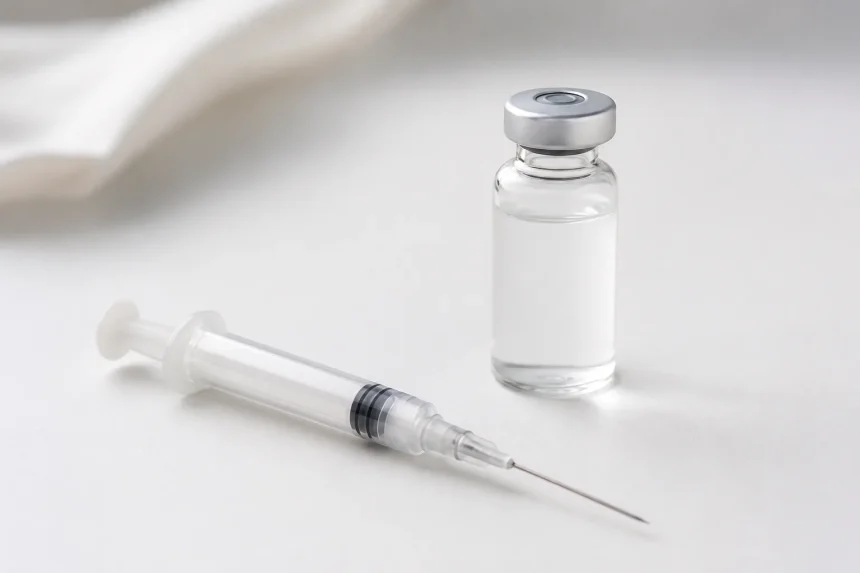
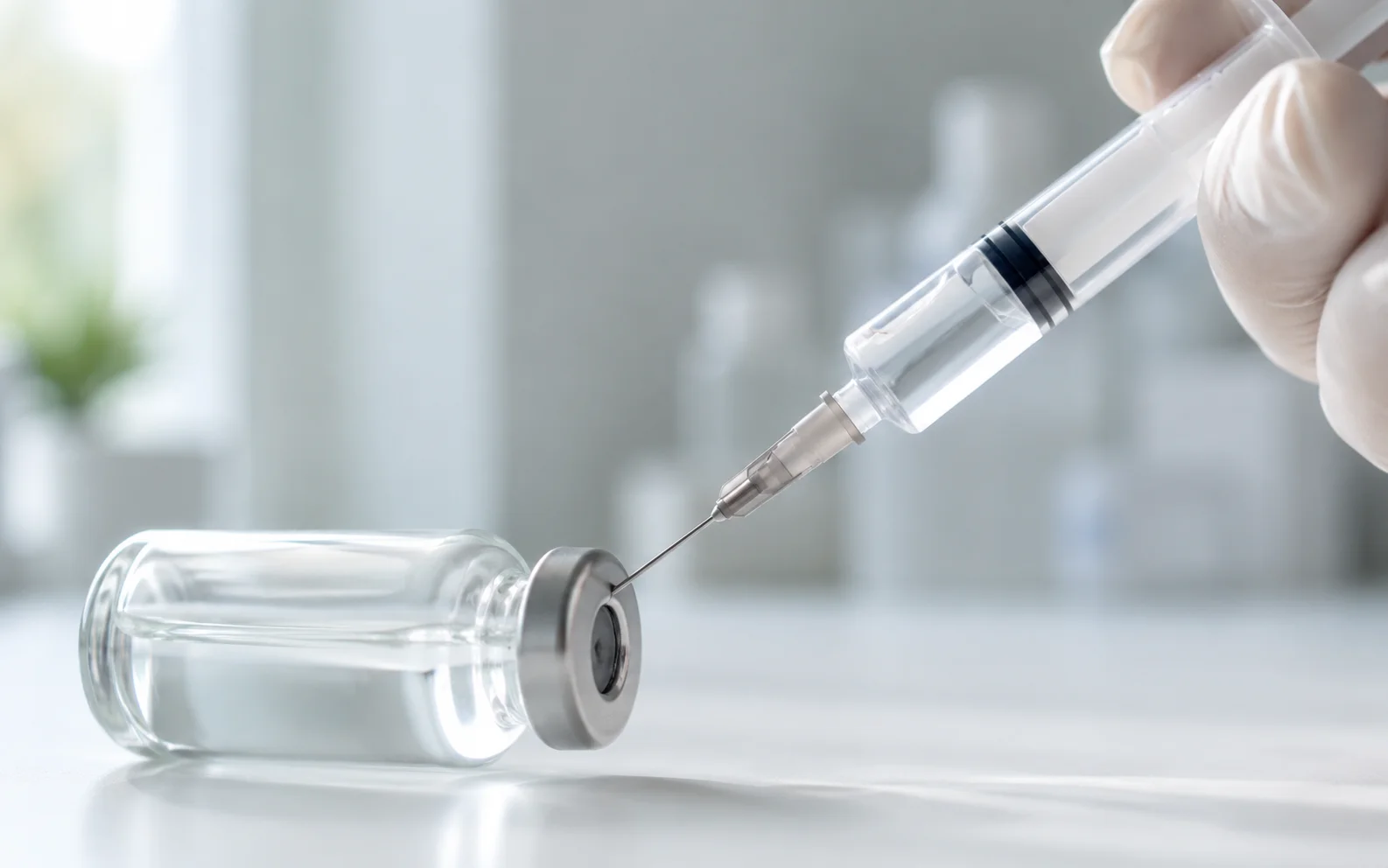
Through its Self Pay Journey Program, LillyDirect sells Zepbound as single-dose vials at sharply reduced cash prices: about $299 a month for the 2.5 mg dose, $399 for 5 mg, and $449 for every dose from 7.5 mg up to 15 mg. Against an $1,086 list price, that is roughly a quarter to a third of retail.
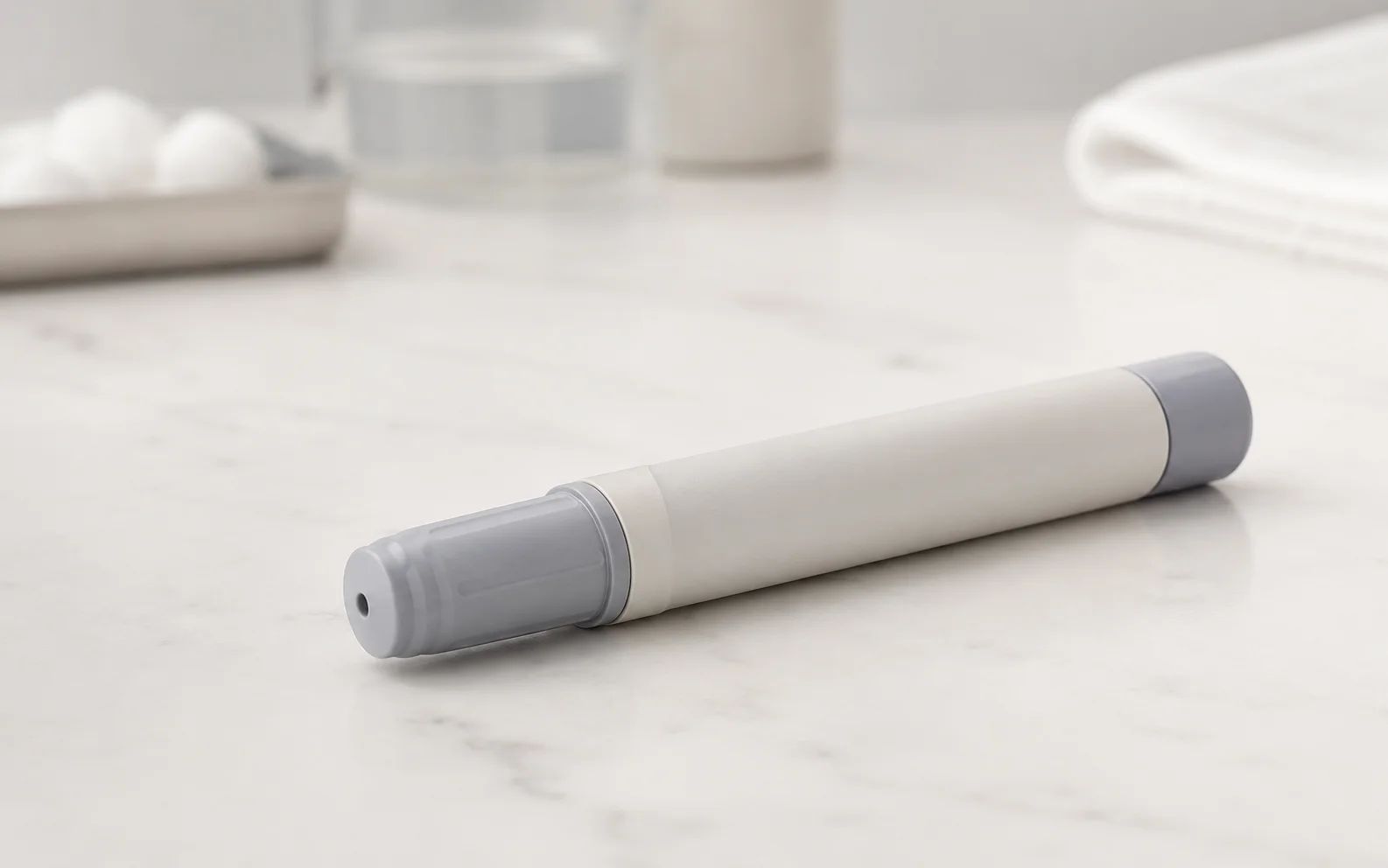
There are trade-offs to understand. The low price applies to vials, not the autoinjector pen — so you draw each dose from the vial with a separate syringe, a small added cost of perhaps $10 to $20 a month and a manual injection technique to learn. LillyDirect self-pay also cannot be billed to or combined with insurance; it is a pure cash channel. And at the higher doses, the $449 price depends on refilling within 45 days of your last order — miss that window and the price for that fill jumps substantially, so the program rewards staying on schedule. Lilly also offers a multi-dose KwikPen through LillyDirect for cash-paying patients at comparable prices.
A cheaper route still exists in compounded tirzepatide — the same active drug prepared by compounding pharmacies. It is not an FDA-approved product, and its quality depends on the compounding pharmacy rather than on FDA review. With LillyDirect now offering brand Zepbound vials at $299 to $449, the cost gap between compounded and brand has narrowed considerably.
Insurance — and the Sleep Apnea Door
For people with commercial insurance, Zepbound coverage is genuinely uneven. Industry analyses put coverage for the weight-management indication at roughly half of commercial plans, and many employer plans exclude anti-obesity medications as a category. Coverage also shifted in 2025: one major pharmacy benefit manager, CVS Caremark, dropped Zepbound from most of its formularies in mid-2025, steering patients toward a competing drug — the situation covered in our Wegovy cost guide.
Here is where Zepbound’s second approval matters. Zepbound is the only GLP-1 medication FDA-approved to treat moderate-to-severe obstructive sleep apnea in adults with obesity. That is not just a clinical fact — it is a coverage lever. A plan that limits or excludes GLP-1 drugs used for weight loss may still cover Zepbound when it is prescribed, with documentation, for sleep apnea. For a patient on a plan that has restricted weight-loss coverage, an OSA diagnosis can be the difference between coverage and none — and because no other GLP-1 carries the OSA approval, it is also a strong basis for requesting a formulary exception. One related route is worth knowing: if you have type 2 diabetes, the same drug — tirzepatide — is also sold as Mounjaro, which is approved for diabetes and far more widely covered for that use, so for a person with diabetes Mounjaro is usually the more coverable tirzepatide.
If your plan does cover Zepbound, the Zepbound Savings Card can reduce the copay to as little as $25 a month for patients with eligible commercial insurance. The card applies to the pen, not the LillyDirect vials, and like all manufacturer cards it cannot be used with government insurance. It is also worth knowing that Lilly’s patient assistance program may provide Zepbound at no cost to qualifying low-income uninsured patients — eligibility should be confirmed directly.
Zepbound and Medicare
Medicare follows the same logic, sharpened by federal law. Medicare is statutorily prohibited from covering drugs used solely for weight loss, so standard Part D does not cover Zepbound for the obesity indication on its own.
But the sleep-apnea door applies here too. Because Zepbound is FDA-approved for obstructive sleep apnea, Medicare Part D plans can cover it when it is prescribed for OSA, typically requiring an OSA diagnosis and meeting the plan’s clinical criteria. For a Medicare beneficiary with both obesity and sleep apnea, that is a real, existing route to coverage.
And from July 1, 2026, there is a second route: the Medicare GLP-1 Bridge. This temporary CMS program, running through December 31, 2027, covers GLP-1 medications approved for weight loss — including the Zepbound KwikPen — for eligible Part D beneficiaries at a flat $50 monthly copay. Eligibility runs through your Part D plan and clinical criteria including BMI thresholds and prior authorization. As with other drugs under the same program, the Bridge is temporary by design — a bridge to a longer-term Medicare model.
💊 Looking for a Lower-Cost Compounded Option?
For cash-pay patients, compounded semaglutide is a lower-cost compounded option through a clinician-supervised telehealth model. Direct Meds offers Summer 2026 promotional pricing:
- Compounded Semaglutide: $147 first month ($150 OFF regular $297)
- Clinician-supervised dosing and titration support
- 503B compounding pharmacy network — patient-specific prescriptions
- LegitScript-certified telemedicine compliance
- USP <795> and USP <797> sterile compounding standards
- Available in 48 states (excludes MS and LA)
Compounded semaglutide contains semaglutide, but the compounded product itself is not an FDA-approved finished product and is not reviewed by the FDA for safety, effectiveness or quality. Whether it is appropriate for you is a decision for you and your clinician.
Frequently Asked Questions
How much does Zepbound cost without insurance in 2026?
The retail list price is about $1,086 a month. But through Eli Lilly’s LillyDirect Self Pay Journey Program, Zepbound single-dose vials cost about $299 a month at 2.5 mg, $399 at 5 mg, and $449 for higher doses. Pharmacy discount cards barely help with Zepbound, generally leaving the price above $900.
What is the cheapest way to get brand Zepbound?
LillyDirect’s self-pay vials, at $299 to $449 a month depending on dose. The trade-off is that you draw each dose from a vial with a separate syringe instead of using an autoinjector pen, and you cannot bill the cost to insurance. Compounded tirzepatide can be cheaper still, but it is not FDA-approved.
Does insurance cover Zepbound for sleep apnea?
It can — and this is one of Zepbound’s most useful features. Zepbound is the only GLP-1 FDA-approved for moderate-to-severe obstructive sleep apnea in adults with obesity. A plan that limits GLP-1 coverage for weight loss may still cover Zepbound when it is prescribed, with documentation, for sleep apnea. Prior authorization is usually required.
Does Medicare cover Zepbound?
Not for weight loss alone — federal law prevents that. But Medicare Part D can cover Zepbound when it is prescribed for obstructive sleep apnea. Separately, the Medicare GLP-1 Bridge, running from July 1, 2026 through 2027, covers the Zepbound KwikPen for weight loss at a $50 monthly copay for eligible Part D beneficiaries.
Is compounded tirzepatide cheaper than Zepbound?
It is often cheaper, but the gap has narrowed now that LillyDirect offers brand Zepbound vials from $299 a month. Compounded tirzepatide is not an FDA-approved product; the FDA has cautioned that it should be used under a valid prescription, and its quality depends entirely on the compounding pharmacy. Brand and compounded are not equivalent in oversight.
The Bottom Line
Zepbound’s $1,086 list price is the number to ignore. What you actually pay turns on your route. Paying cash, LillyDirect’s Self Pay Journey vials are the clear low-cost option at $299 to $449 a month, with the trade-off that you inject from a vial rather than a pen. With commercial insurance, coverage is close to a coin-flip — but Zepbound’s sleep-apnea approval gives many patients a coverage path that weight-loss use alone would not. For Medicare beneficiaries, Part D can cover Zepbound for sleep apnea now, and the GLP-1 Bridge adds a $50 monthly copay for weight loss from July 2026.
The single most useful step, before committing, is to pin down two things: whether you have an FDA-approved indication beyond weight loss — sleep apnea above all — that could unlock coverage, and what LillyDirect would charge you at your expected dose. For most uninsured patients, those two answers decide the real cost of Zepbound. For the wider picture across every GLP-1 and payment route, see our full GLP-1 cost guide.
Considering a Compounded Option?
For cash-pay patients pursuing semaglutide, Direct Meds offers compounded semaglutide through a clinician-supervised telehealth model, with Summer 2026 promotional pricing:
- $150 OFF first month compounded semaglutide injection ($147 vs regular $297)
- Licensed clinician reviews eligibility and oversees dosing and titration
- 503B compounding pharmacy network — patient-specific prescriptions
- LegitScript-certified telemedicine compliance
- USP <795> and USP <797> sterile compounding standards
- Telemed evaluation included (typically $99 value), 1-2 day FedEx/UPS shipping
- Available in 48 states (excludes MS and LA)
180,000+ patients have used Direct Meds; current Trustpilot rating 4.8. Compounded semaglutide contains semaglutide, but the compounded product itself is not an FDA-approved finished product and is not reviewed by the FDA for safety, effectiveness or quality. Whether it is appropriate for you is a decision for you and your clinician.
Affiliate disclosure: allcheminfo.com receives commission when readers start treatment through Direct Meds. Recommendation based on their 503B pharmacy partnership, LegitScript certification, and clinician-supervised model — not commission rate.
This article is general information, not medical or financial advice. Prices, programs and Medicare details reflect the situation as of May 2026 and change frequently; confirm current pricing and eligibility with LillyDirect, your insurer, CMS or your pharmacy before making decisions.