- What Is Ozempic?
- How Ozempic Works
- FDA-Approved Indications in 2026
- Type 2 Diabetes (Original 2017 Indication)
- Cardiovascular Risk Reduction (2020)
- Chronic Kidney Disease Progression Slowing (NEW — 2025)
- Ozempic Injection vs Ozempic Tablets (2026 Update)
- Ozempic Dosing Schedule
- Clinical Trial Evidence
- SUSTAIN Trial Program (Diabetes Efficacy)
- SUSTAIN-6 (Cardiovascular Outcomes)
- FLOW Trial (Renal Outcomes)
- Side Effects
- Black Box Warning
- Off-Label Use for Weight Loss
- Cost and Insurance Coverage
- Ozempic vs Wegovy
- Ozempic vs Compounded Semaglutide
- Storage and Handling
- Drug Interactions and Contraindications
- Frequently Asked Questions
- Is Ozempic the same as Wegovy?
- Can I get Ozempic for weight loss?
- How much weight will I lose on Ozempic?
- Are Ozempic tablets the same as Rybelsus?
- When will generic Ozempic be available?
- Does Ozempic cause “Ozempic face”?
- What happens if I stop Ozempic?
- Can I drink alcohol while taking Ozempic?
- Is Ozempic safe long-term?
- The Bottom Line for May 2026
Affiliate disclosure: This article contains affiliate links. We may earn commission when you purchase through partner links, at no extra cost to you. Editorial independence preserved — recommendations based on provider compliance and patient outcomes, not commission rates.
By prescription volume, Ozempic became one of the most prescribed brand-name medications in the United States within five years of its 2017 launch — a trajectory driven by both its primary type 2 diabetes indication and extensive off-label use for weight management during the 2022-2024 GLP-1 shortage years. In 2026, the medication continues to evolve: expanded indications for kidney disease, the May 4 launch of an oral tablet formulation joining the established weekly injection, and an increasingly complex cost-and-access landscape that depends substantially on insurance coverage and patient-specific circumstances.
Ozempic (semaglutide) is manufactured by Novo Nordisk, first approved December 5, 2017 for type 2 diabetes glycemic control. FDA-approved indications have since expanded to include cardiovascular event reduction in T2D patients with established cardiovascular disease, chronic kidney disease progression slowing, and the new oral tablet formulation (1.5 mg, 4 mg, 9 mg) launched May 4, 2026 — joining Rybelsus (oral semaglutide since 2019) as the second oral semaglutide pathway for T2D patients.
This guide covers what Ozempic actually is, how it works, what it does and doesn’t treat, the current 2026 dosing protocol for both injection and tablet forms, cardiovascular and kidney benefits established in clinical trials, side effects and contraindications, the cost-and-insurance reality in 2026, and how Ozempic compares to its semaglutide sibling Wegovy and to compounded semaglutide alternatives for cash-pay patients.
What Is Ozempic?
Ozempic is the brand name under which Novo Nordisk markets semaglutide for adults with type 2 diabetes. Semaglutide itself is a glucagon-like peptide-1 (GLP-1) receptor agonist — an engineered peptide molecule that binds to and activates the GLP-1 receptor, mimicking the native GLP-1 hormone produced by intestinal L-cells in response to food intake.
Key Ozempic facts for May 2026:
- Active ingredient: Semaglutide
- Manufacturer: Novo Nordisk
- First FDA approval: December 5, 2017 (injection)
- Tablet approval: February 2026; US launch May 4, 2026
- Formulations: Once-weekly subcutaneous injection (0.25, 0.5, 1.0, 2.0 mg) and once-daily oral tablets (1.5, 4, 9 mg)
- FDA-approved indications: Type 2 diabetes glycemic control, MACE reduction in T2D with established CVD, CKD progression slowing in T2D with chronic kidney disease
- Generic availability: No generic semaglutide has been FDA-approved as of May 2026
- List price (injection): Approximately $968 per month before insurance or savings programs
Important distinction: Ozempic is not FDA-approved for weight loss. The semaglutide formulation specifically approved for chronic weight management is Wegovy (also Novo Nordisk). The two products contain the same active molecule at different maximum doses (Ozempic max 2.0 mg, Wegovy max 2.4 mg) with different FDA-approved indications. Off-label prescribing of Ozempic for weight loss is widespread, but it’s not the FDA-recognized use case.
How Ozempic Works
Ozempic produces its clinical effects through multiple mechanisms operating in parallel — all stemming from GLP-1 receptor activation:
- Glucose-dependent insulin secretion: Semaglutide stimulates insulin release from pancreatic beta cells when blood glucose is elevated. Because the mechanism is glucose-dependent, insulin secretion shuts off when blood sugar normalizes — substantially reducing hypoglycemia risk compared to insulin therapy.
- Glucagon suppression: Semaglutide reduces glucagon secretion from pancreatic alpha cells, lowering hepatic glucose production and contributing to glycemic improvement.
- Delayed gastric emptying: The drug slows the rate at which food leaves the stomach, prolonging satiety and reducing post-meal glucose spikes. This mechanism is also responsible for the most common side effects (nausea, fullness) particularly during titration phases.
- Central appetite suppression: Semaglutide acts on GLP-1 receptors in the hypothalamus to reduce hunger signaling. Patients commonly describe reduced “food noise” — the constant background thoughts about eating that obesity patients often report.
- Cardiovascular tissue effects: Emerging research suggests GLP-1 receptor activation has direct effects on cardiomyocytes, vascular endothelium, and inflammatory markers — mechanisms that may contribute to the cardiovascular benefits demonstrated in clinical trials beyond glycemic improvement alone.
- Renal protective effects: The FLOW trial established that semaglutide slows kidney function decline in T2D patients with chronic kidney disease through mechanisms not fully understood but appearing to be partially independent of glycemic effects.
The pharmacokinetic profile that distinguishes Ozempic from earlier GLP-1s like Byetta (exenatide twice-daily) is its long half-life — approximately one week. This is achieved through molecular modifications that make semaglutide resistant to enzymatic degradation by dipeptidyl peptidase-4 (DPP-4), the enzyme that rapidly breaks down native GLP-1 within 1-2 minutes.
FDA-Approved Indications in 2026
Ozempic’s FDA-approved indications have expanded substantially since the 2017 launch:
Type 2 Diabetes (Original 2017 Indication)
Ozempic is approved as an adjunct to diet and exercise to improve glycemic control in adults with type 2 diabetes mellitus. The medication can be used as monotherapy or in combination with metformin, sulfonylureas, SGLT2 inhibitors, thiazolidinediones, or basal insulin. Clinical trials demonstrated HbA1c reductions of 1.4-1.8 percentage points at maximum doses compared to placebo or active comparators.
Cardiovascular Risk Reduction (2020)
Ozempic injection carries an FDA-approved indication for reducing the risk of major adverse cardiovascular events (MACE — cardiovascular death, non-fatal heart attack, non-fatal stroke) in adults with type 2 diabetes mellitus and established cardiovascular disease. This indication was based on the SUSTAIN-6 cardiovascular outcomes trial, which demonstrated approximately 26% reduction in MACE compared to placebo over a median 2.1-year follow-up.
The Ozempic tablets formulation (launched May 2026) carries a related but broader MACE reduction indication that includes T2D patients at high cardiovascular risk, not only those with established CVD — extending the cardiovascular indication framework that was previously limited to the injection formulation.
Chronic Kidney Disease Progression Slowing (NEW — 2025)
The FDA approved an expanded indication for Ozempic to reduce the risk of sustained eGFR decline, end-stage kidney disease, and cardiovascular death in adults with type 2 diabetes mellitus and chronic kidney disease. This indication was based on the FLOW trial, which demonstrated significant slowing of kidney function decline in T2D patients with CKD.
The CKD indication is particularly significant given the limited treatment options for T2D-associated kidney disease progression. Ozempic joins SGLT2 inhibitors (empagliflozin, dapagliflozin) and the non-steroidal mineralocorticoid receptor antagonist finerenone as established renoprotective therapies in T2D with CKD.
Ozempic Injection vs Ozempic Tablets (2026 Update)
One of the most significant developments in 2026: the FDA approval (February 2026) and US launch (May 4, 2026) of Ozempic tablets — oral semaglutide for type 2 diabetes in tablet strengths of 1.5 mg, 4 mg, and 9 mg.
Key distinctions between formulations:
- Ozempic injection: Once-weekly subcutaneous administration. Doses: 0.25, 0.5, 1.0, 2.0 mg. Same molecule across all doses, different injection volumes.
- Ozempic tablets: Once-daily oral administration. Doses: 1.5, 4, 9 mg. Taken in the morning on an empty stomach with limited water, with no food or drink for at least 30 minutes after.
- Indications: Both formulations carry the type 2 diabetes glycemic control indication. The tablet formulation also includes the MACE reduction indication for T2D patients with established CVD or at high cardiovascular risk.
- Comparable to Rybelsus: Ozempic tablets achieve therapeutic exposure comparable to the earlier Rybelsus oral semaglutide doses of 3 mg, 7 mg, and 14 mg respectively, but in different tablet strengths designed for the Ozempic brand identity.
The tablet formulation addresses a longstanding patient preference — many people are reluctant to use weekly injections even after extensive titration. The oral option allows broader access for patients with needle aversion, complex injection logistics, or simply a preference for daily oral medications.
Practical considerations for the tablet formulation:
- The “empty stomach with limited water” requirement is essential for absorption — oral semaglutide’s bioavailability is highly food-sensitive due to the SNAC (sodium N-(8-[2-hydroxybenzoyl] amino) caprylate) absorption enhancer system
- Wait at least 30 minutes after taking the tablet before consuming food, drink (other than water), or other oral medications
- Daily adherence requirement is more demanding than weekly injection schedule
- Side effect profile is similar to injection — GI symptoms predominate during titration
Ozempic Dosing Schedule
Injection Titration (Standard Protocol)
- Weeks 1-4: 0.25 mg subcutaneously once weekly (starter dose; not effective for glycemic control, used to initiate gradual GI tolerance)
- Weeks 5-8: 0.5 mg once weekly (first therapeutic dose)
- Weeks 9-12: Continue 0.5 mg, or escalate to 1.0 mg once weekly if additional glycemic control is needed
- Weeks 13+: Continue 1.0 mg, or escalate to 2.0 mg once weekly (maximum dose) for patients needing further glycemic improvement
Each dose increase typically occurs at intervals of at least 4 weeks to allow GI side effect adaptation. Many patients stabilize at 0.5 mg or 1.0 mg for adequate diabetes control without needing the maximum 2.0 mg dose.
Tablet Titration
- Weeks 1-4: 1.5 mg once daily (starter dose)
- Weeks 5-8: 4 mg once daily (escalation)
- Weeks 9+: 9 mg once daily (maintenance dose) if additional glycemic control is needed
For comprehensive dosing details across both formulations, see: Semaglutide Dosage Chart: Injection and Oral Protocols.
Clinical Trial Evidence
Ozempic’s clinical evidence base spans the SUSTAIN trial program for diabetes outcomes, SUSTAIN-6 specifically for cardiovascular outcomes, and the FLOW trial for renal outcomes.
SUSTAIN Trial Program (Diabetes Efficacy)
The SUSTAIN program comprised 10 Phase 3 trials evaluating Ozempic across various T2D patient populations and comparator drugs:
- HbA1c reductions: 1.4 to 1.8 percentage points from baseline at maximum doses, depending on the patient population and comparators
- Weight loss: 4-6 kg average weight reduction across trials, despite weight loss not being the primary outcome
- Comparator superiority: Ozempic demonstrated superior glycemic control compared to sitagliptin, exenatide ER, insulin glargine, and dulaglutide in head-to-head trials
SUSTAIN-6 (Cardiovascular Outcomes)
The SUSTAIN-6 trial randomized 3,297 T2D patients with established cardiovascular disease or at high cardiovascular risk to Ozempic (0.5 mg or 1.0 mg weekly) versus placebo on top of standard diabetes care. The primary outcome — composite of cardiovascular death, non-fatal heart attack, or non-fatal stroke — occurred in 6.6% of Ozempic patients versus 8.9% of placebo patients, representing approximately 26% relative risk reduction.
SUSTAIN-6 established Ozempic as one of the first GLP-1 agonists to demonstrate cardiovascular outcome benefits — a finding that fundamentally elevated the drug class’s position in T2D treatment guidelines.
FLOW Trial (Renal Outcomes)
The FLOW trial (Effect of Semaglutide vs. Placebo on Major Kidney Outcomes in Type 2 Diabetes with Chronic Kidney Disease) was a Phase 3 randomized trial that established Ozempic’s renoprotective effects in T2D patients with CKD. The primary outcome was a composite of major kidney disease events. Semaglutide demonstrated significant reduction in kidney function decline, supporting the FDA’s expanded CKD indication.

Side Effects
Common Side Effects
- Gastrointestinal: Nausea, vomiting, diarrhea, constipation, abdominal pain — most common across all GLP-1s. Typically peaks during titration weeks and improves with dose stability. Eating smaller meals and avoiding high-fat foods often reduces severity.
- Decreased appetite: The intended pharmacologic effect — not technically a side effect but the mechanism producing weight loss
- Fatigue: Common during early titration weeks, typically resolves with continued treatment
- Injection site reactions: Minor redness, itching, or bruising at injection sites. Rotating injection sites (abdomen, thigh, upper arm) reduces incidence.
- Hair changes: Increased shedding reported anecdotally, typically associated with rapid weight loss rather than direct medication effect
- Headache: Reported by approximately 7-9% of patients in clinical trials
Less Common but Serious
- Pancreatitis: Rare but reported across the class. Discontinue if suspected, with imaging and lipase evaluation. Avoid Ozempic in patients with history of pancreatitis.
- Gallbladder disease: Increased risk of gallstones and cholecystitis, particularly with rapid weight loss. Consider gallbladder ultrasound for symptomatic patients.
- Acute kidney injury: Usually associated with severe vomiting and dehydration during titration. Maintaining hydration during titration weeks helps prevent this.
- Severe gastroparesis: Delayed gastric emptying becomes clinically significant in some patients — may require discontinuation if symptoms persist beyond titration phase.
- Hypoglycemia: Rare with Ozempic monotherapy due to glucose-dependent mechanism. Risk increases significantly when combined with insulin or sulfonylureas — dose reduction of those medications often required when starting Ozempic.
- Diabetic retinopathy complications: SUSTAIN-6 noted increased retinopathy events in patients with rapid HbA1c improvement. Monitor patients with pre-existing retinopathy.
- Hypersensitivity reactions: Including anaphylaxis and angioedema. Rare but reported.
For comprehensive side effect management strategies, see: GLP-1 Side Effects: Complete Survival Guide.
Black Box Warning
Ozempic carries an FDA black box warning regarding thyroid C-cell tumors observed in rodent studies. Do not use Ozempic if you or your family have a history of medullary thyroid carcinoma (MTC) or Multiple Endocrine Neoplasia syndrome type 2 (MEN 2).
The clinical relevance of the rodent thyroid findings to humans remains uncertain after a decade of clinical use without strong post-marketing signals of MTC. However, the warning applies across the entire GLP-1 class and the personal/family history exclusion criterion is consistently observed in clinical practice.
Off-Label Use for Weight Loss
Despite not being FDA-approved for weight management, Ozempic was widely prescribed off-label for weight loss during the 2022-2024 GLP-1 shortage years when Wegovy was difficult to obtain. The reason: semaglutide’s appetite suppression and gastric emptying effects produce substantial weight loss regardless of indication. STEP-1 trial (Wegovy, semaglutide 2.4 mg) demonstrated approximately 15% body weight reduction at 68 weeks — an effect that translates partially to Ozempic at its lower maximum dose.
The 2025-2026 reality has shifted significantly:
- Wegovy availability restored: Novo Nordisk capacity has stabilized, and Wegovy is now available through retail pharmacies, manufacturer programs, and the $199/month introductory offer for new self-pay patients.
- Insurance enforcement tightened: Payers now actively audit GLP-1 prescriptions to identify off-label use. Coverage denials and retrospective payment recoveries have become common when Ozempic is prescribed for patients without a documented T2D diagnosis.
- Provider awareness: Many prescribers have shifted to Wegovy specifically for weight management indications to avoid coverage disputes and audit risks for their patients.
- Practitioner discretion: Some clinicians still consider Ozempic and Wegovy effectively interchangeable for clinical purposes, prescribing based on availability and patient preference — though the regulatory and insurance friction has reduced this practice significantly.
Practical considerations for any off-label use:
- Ozempic max dose (2.0 mg) is lower than Wegovy max dose (2.4 mg), so theoretical maximum weight loss with Ozempic is somewhat less than achievable with Wegovy at identical body composition
- Off-label prescribing is legal and common in US practice but doesn’t change the FDA-approved indication framework
- Insurance coverage for off-label use is increasingly scrutinized and frequently denied
- Some payers actively audit GLP-1 prescriptions to identify off-label use and recoup costs
Cost and Insurance Coverage
List Pricing (May 2026)
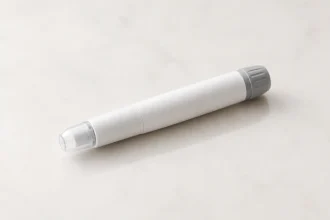
- Ozempic injection: Approximately $968 per month before insurance, covering one prefilled pen (multi-dose, typically containing 4 weekly doses)
- Ozempic tablets: Pricing structure similar to other oral semaglutide formulations; specific cash-pay pricing varies by pharmacy
Insurance Coverage Reality
Ozempic’s diabetes indication produces broader insurance coverage than weight management GLP-1s:
- Commercial insurance: Most plans cover Ozempic for T2D patients meeting prior authorization criteria. Typical copays range from $25-$100 per month with active coverage.
- Medicare Part D: Covers Ozempic for diabetic patients; specific copay structures vary by plan.
- Medicaid: Coverage varies significantly by state but generally available for T2D.
- Manufacturer savings card: Novo Nordisk Ozempic Savings Card can reduce cost as low as $25/month for eligible commercially insured patients. Eligibility requires commercial insurance coverage (not Medicare or Medicaid) and meeting other criteria.
- Patient assistance programs: Novo Nordisk offers patient assistance for uninsured patients meeting income criteria.
Cash-Pay Reality Without Coverage
For patients without insurance coverage or who don’t qualify for the savings card, cash-pay Ozempic at $968/month represents a substantial financial burden. Annual cost approaches $12,000. This pricing reality drives many patients to consider alternative pathways — either compounded semaglutide (significantly lower cost), brand-name Wegovy with the Novo Nordisk introductory offer ($199/month for first two months for self-pay), or transitions to other GLP-1 medications with better personal coverage.
Ozempic vs Wegovy
The Ozempic vs Wegovy distinction is one of the most common patient confusions. Both medications contain semaglutide as the active ingredient — they are the same molecule. The differences lie in FDA approval, indication, dosing, and pricing:
- FDA-approved indications: Ozempic is approved for type 2 diabetes, cardiovascular risk reduction in T2D with CVD, and chronic kidney disease progression in T2D with CKD. Wegovy is approved for chronic weight management (BMI ≥30 or BMI ≥27 with weight-related comorbidities), cardiovascular event reduction in patients with established CVD and overweight/obesity (without diabetes), and moderate-to-severe obstructive sleep apnea in adults with obesity.
- Maximum dose: Ozempic injection max is 2.0 mg weekly; Wegovy injection max is 2.4 mg weekly.
- Pricing (list): Ozempic injection ~$968/month; Wegovy injection ~$1,349/month.
- Insurance coverage patterns: Ozempic widely covered for diabetic patients; Wegovy frequently excluded or restricted as a “lifestyle” medication.
- Oral formulations: Ozempic tablets (1.5/4/9 mg) launched May 2026 for T2D. Wegovy oral 25 mg launched January 2026 for chronic weight management.
Patients prescribed Ozempic off-label for weight loss are receiving the same molecule that’s in Wegovy, just at slightly lower maximum dose and a different brand label. The clinical effects on weight are comparable; the regulatory and insurance pathways are different.
For a complete Wegovy guide, see: Wegovy Complete Guide for 2026.
Ozempic vs Compounded Semaglutide
For cash-pay patients facing Ozempic’s $968/month list price without adequate insurance coverage, compounded semaglutide through legitimate 503A telehealth providers represents a meaningful alternative pathway:
- Active ingredient: When properly compounded from semaglutide base by a legitimate 503A pharmacy, the active molecule is chemically identical to the semaglutide in Ozempic.
- Cost comparison: Compounded semaglutide pricing of $99-$297/month versus Ozempic cash-pay of $968/month represents 70-90% savings.
- FDA approval status: Ozempic is FDA-approved; compounded preparations are not FDA-approved as finished products but operate under 503A patient-specific compounding authority.
- Insurance coverage: Ozempic typically covered for T2D; compounded semaglutide virtually never covered.
- Delivery format: Ozempic uses a prefilled multi-dose pen; compounded versions typically use vials with separate syringes.
- Clinical effectiveness: Expected comparable based on identical active molecule, though no head-to-head trials exist directly comparing compounded semaglutide to Ozempic.
The practical decision: patients with insurance covering Ozempic for diabetes typically benefit most from the brand-name pathway. Patients without coverage facing cash-pay pricing — particularly those without a diabetes diagnosis seeking the medication for off-label weight loss — frequently find that compounded semaglutide through compliant 503A telehealth providers offers an economically accessible path.
For comprehensive analysis of compounded options, see: Compounded Semaglutide: The Complete 2026 Guide and Compounded vs Brand GLP-1: The Real 2026 Difference.
💊 Looking for a Lower-Cost Compounded Option?
For cash-pay patients, compounded semaglutide is a lower-cost compounded option through a clinician-supervised telehealth model. Direct Meds offers Summer 2026 promotional pricing:
- Compounded Semaglutide: $147 first month ($150 OFF regular $297)
- Clinician-supervised dosing and titration support
- 503B compounding pharmacy network — patient-specific prescriptions
- LegitScript-certified telemedicine compliance
- USP <795> and USP <797> sterile compounding standards
- Available in 48 states (excludes MS and LA)
Compounded semaglutide contains semaglutide, but the compounded product itself is not an FDA-approved finished product and is not reviewed by the FDA for safety, effectiveness or quality. Whether it is appropriate for you is a decision for you and your clinician.
Storage and Handling
Ozempic Injection
- Before first use: Refrigerate (36-46°F / 2-8°C). Do not freeze. Discard if frozen.
- After first use: Can be kept at room temperature (59-86°F / 15-30°C) for up to 56 days, or refrigerated.
- Light exposure: Keep pen cap on when not in use to protect from light.
- Travel: Insulated cooler bag with ice pack for trips longer than 1-2 hours in warm conditions.
- Needles: Use a new sterile needle for each injection. Ozempic prefilled pens use compatible needle types specified in the prescribing information.
Ozempic Tablets
- Storage: Room temperature in original bottle with desiccant. Do not transfer to other containers.
- Timing: Take in the morning on an empty stomach with limited water (up to 4 ounces / 120 mL)
- Post-dose: Wait at least 30 minutes before eating, drinking (other than water), or taking other oral medications
- Missed doses: If a dose is missed, skip it and take the next dose at the regular time the next day. Do not take two doses on the same day.
Drug Interactions and Contraindications
Contraindications
- Personal or family history of medullary thyroid carcinoma (MTC)
- Multiple Endocrine Neoplasia syndrome type 2 (MEN 2)
- Known hypersensitivity to semaglutide or any product excipient (including polysorbate 80 in the injection formulation)
- Pregnancy and breastfeeding (semaglutide should be discontinued at least 2 months before planned pregnancy)
Significant Drug Interactions
- Insulin and sulfonylureas: Increased hypoglycemia risk when combined with Ozempic. Dose reduction of these medications often required when initiating Ozempic.
- Oral medications: Ozempic’s gastric emptying delay can affect absorption of other oral medications, though the effect is generally modest and gastric emptying often normalizes with chronic use. The interaction is more clinically significant for medications with narrow therapeutic windows.
- Warfarin and coumarin anticoagulants: Monitor INR more frequently when starting or adjusting Ozempic dose.
- Levothyroxine and other oral medications with narrow absorption windows: Consider timing separation from Ozempic injection day if therapeutic levels are unstable.
Frequently Asked Questions
Is Ozempic the same as Wegovy?
The active ingredient is the same — semaglutide. The difference is FDA approval and indication: Ozempic is approved for type 2 diabetes, cardiovascular risk reduction in T2D with CVD, and chronic kidney disease progression in T2D with CKD. Wegovy is approved for chronic weight management, cardiovascular event reduction in patients with established CVD without diabetes, and obstructive sleep apnea. Maximum doses also differ: Ozempic 2.0 mg weekly, Wegovy 2.4 mg weekly.
Can I get Ozempic for weight loss?
Ozempic is not FDA-approved for weight loss, but it’s widely prescribed off-label for this purpose. Insurance coverage for off-label use is increasingly restricted and frequently denied. Patients seeking semaglutide specifically for weight management often find Wegovy (the FDA-approved weight loss formulation) or compounded semaglutide more accessible pathways than off-label Ozempic prescribing.
How much weight will I lose on Ozempic?
SUSTAIN trial program data showed 4-6 kg average weight loss in T2D patients at maximum doses, despite weight loss not being the primary outcome. Off-label use for weight management may produce greater weight loss in non-diabetic patients with higher baseline BMI — generally trending toward the 10-15% range seen with semaglutide at therapeutic doses, though specific outcomes vary substantially across individuals.
Are Ozempic tablets the same as Rybelsus?
Both contain semaglutide as the active ingredient. Rybelsus tablets are available in 3 mg, 7 mg, and 14 mg doses. Ozempic tablets — launched May 2026 — are available in 1.5 mg, 4 mg, and 9 mg doses designed for therapeutic exposure comparable to the corresponding Rybelsus doses. The two products use the same SNAC absorption enhancement system. The “Ozempic” brand identity is being extended to the oral formulation to capitalize on consumer recognition.
When will generic Ozempic be available?
No generic version of Ozempic (semaglutide) has been FDA-approved as of May 2026. Novo Nordisk holds patents on semaglutide that limit generic competition. Patent expiration dates depend on specific patent claims and litigation outcomes — generic semaglutide is anticipated late this decade at the earliest. As a peptide biologic, future “generic” versions may follow the biosimilar pathway rather than traditional generics.
Does Ozempic cause “Ozempic face”?
“Ozempic face” — facial volume loss — is a cosmetic consequence of rapid weight reduction, not a direct medication effect. The phenomenon occurs whenever significant body fat is lost rapidly through any mechanism (diet, surgery, other GLP-1 medications). Slower weight loss progression and adequate protein intake during weight loss may reduce facial volume loss. For comprehensive discussion of this and other GLP-1 cosmetic effects, see our dedicated guide.
What happens if I stop Ozempic?
Discontinuation typically results in gradual loss of glycemic control benefits over weeks to months. Weight loss benefits also typically reverse with discontinuation — clinical trial data shows significant weight regain when GLP-1 medications are stopped. Most obesity and diabetes specialists view GLP-1 therapy as long-term or indefinite treatment for chronic conditions, similar to how insulin or blood pressure medications are typically lifelong.
Can I drink alcohol while taking Ozempic?
No specific contraindication exists, but moderation is advised. Alcohol can exacerbate GI side effects (nausea), increase hypoglycemia risk (especially when combined with insulin or sulfonylureas in diabetic patients), and contribute to dehydration during titration weeks. Many patients on Ozempic report reduced alcohol cravings — likely related to GLP-1 effects on reward pathway signaling.
Is Ozempic safe long-term?
Long-term safety data continues to accumulate. SUSTAIN-6 follow-up extended to 2+ years, and post-marketing surveillance now spans approximately 8 years since the 2017 launch. No major new safety signals have emerged beyond those identified in the original trials. The black box warning for thyroid C-cell tumors remains based on rodent studies; human relevance is uncertain after nearly a decade of broad clinical use without clear MTC signals.
The Bottom Line for May 2026
Ozempic in 2026 occupies a unique position among GLP-1 medications: the original semaglutide brand, the broadest established clinical evidence base for any GLP-1 (10+ Phase 3 trials, cardiovascular outcomes, renal outcomes), and now both injection and oral tablet formulations following the May 2026 tablet launch.
For type 2 diabetic patients with insurance coverage, Ozempic represents one of the most cost-effective and clinically established options for glycemic control with cardiovascular and renal benefits. The expanded CKD indication (FLOW trial) makes Ozempic particularly relevant for T2D patients with chronic kidney disease who previously had limited treatment options for slowing kidney function decline.
For patients seeking semaglutide for weight management without a diabetes diagnosis, Ozempic is not the FDA-approved pathway — Wegovy (specifically FDA-approved for chronic weight management) and compounded semaglutide through legitimate 503A providers are more appropriate options. Off-label Ozempic prescribing for weight loss was widespread during the 2022-2024 shortage years but has declined significantly in 2025-2026 due to Wegovy availability restoration, manufacturer cash-pay programs, and tightened insurance enforcement against off-label use.
For cash-pay patients without insurance coverage facing Ozempic’s $968/month list price, compounded semaglutide through compliant 503A telehealth providers represents a financial path that’s increasingly important as brand-name pricing remains substantially elevated. The active molecule is the same; the regulatory pathway and cost structure are fundamentally different.
The 2026 oral tablet launch and CKD indication expansion underscore that Ozempic continues to evolve. Patient choice now spans formulation (injection vs tablet), indication coverage (T2D, CV, CKD), and access pathway (brand-name with insurance, brand-name cash-pay, brand-name with manufacturer programs, or compounded semaglutide alternatives). The right choice depends substantially on insurance situation, diagnosis specifics, formulation preferences, and budget realities.
Considering a Compounded Option?
For cash-pay patients pursuing semaglutide, Direct Meds offers compounded semaglutide through a clinician-supervised telehealth model, with Summer 2026 promotional pricing:
- $150 OFF first month compounded semaglutide injection ($147 vs regular $297)
- Licensed clinician reviews eligibility and oversees dosing and titration
- 503B compounding pharmacy network — patient-specific prescriptions
- LegitScript-certified telemedicine compliance
- USP <795> and USP <797> sterile compounding standards
- Telemed evaluation included (typically $99 value), 1-2 day FedEx/UPS shipping
- Available in 48 states (excludes MS and LA)
180,000+ patients have used Direct Meds; current Trustpilot rating 4.8. Compounded semaglutide contains semaglutide, but the compounded product itself is not an FDA-approved finished product and is not reviewed by the FDA for safety, effectiveness or quality. Whether it is appropriate for you is a decision for you and your clinician.
Affiliate disclosure: allcheminfo.com receives commission when readers start treatment through Direct Meds. Recommendation based on their 503B pharmacy partnership, LegitScript certification, and clinician-supervised model — not commission rate.