- What Ozempic Lists For — and Why That Number Misleads
- The Real Variable — Why Are You Taking It?
- The Cost With Type 2 Diabetes
- The Cost for Weight Loss
- The Ozempic Pill — a Lower-Priced Form
- Frequently Asked Questions
- How much does Ozempic cost without insurance in 2026?
- Why is Ozempic so much cheaper for diabetes than for weight loss?
- Does the NovoCare Savings Card work for weight loss?
- Is there a generic version of Ozempic?
- Is the Ozempic pill cheaper than the injection?
- The Bottom Line
Affiliate disclosure: This article contains affiliate links. We may earn commission when you purchase through partner links, at no extra cost to you. Editorial independence preserved — recommendations based on provider compliance and patient outcomes, not commission rates. This article is informational and is not medical advice.
“How much does Ozempic cost” sounds like a question with a number for an answer. It is not. The price one person pays for Ozempic can be twenty times what another pays — and the biggest reason has nothing to do with which pharmacy they use. It is why they were prescribed the drug. Ozempic is FDA-approved for type 2 diabetes, and that single fact reshapes coverage, savings programs and out-of-pocket cost more than anything else. This guide breaks down what Ozempic actually costs in 2026, for the two very different reasons people take it.
What Ozempic Lists For — and Why That Number Misleads
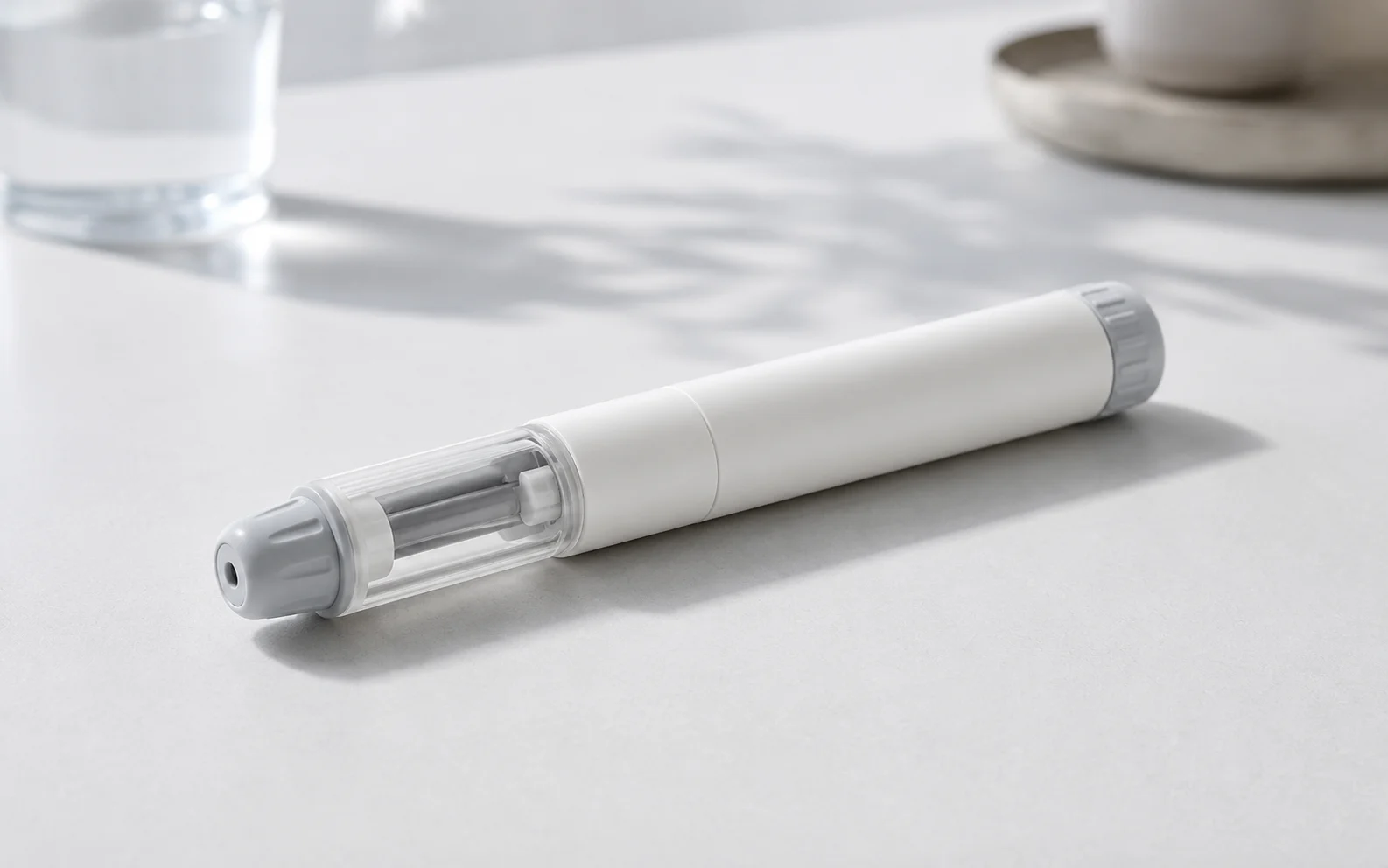
Ozempic’s list price is about $1,000 a month for the once-weekly injection — one pre-filled pen that delivers four weekly doses. At major retail pharmacies the cash price without any discount sits in roughly that range. A pharmacy discount card can lower it, often into the $800s, but even that stays well above the manufacturer’s self-pay price described later in this guide.
But the list price is close to a worst-case figure, not a typical one. Very few people actually pay it. Between insurance coverage, the manufacturer’s savings card, its self-pay pharmacy program and patient assistance, most patients pay a small fraction of that headline number — and the size of that fraction depends almost entirely on the question in the next section.
The Real Variable — Why Are You Taking It?
Ozempic is approved by the FDA to treat type 2 diabetes — to improve blood sugar, and to reduce cardiovascular risk in people with diabetes and heart disease. It is not FDA-approved for weight loss. The semaglutide product approved for weight management is Wegovy, which is the same active drug at higher doses.
Many people are nonetheless prescribed Ozempic off-label for weight loss. That is legal and common, but it matters enormously for cost, because insurance plans and manufacturer programs are built around a drug’s approved use. Whether you are taking Ozempic for the reason it is approved, or for one it is not, determines which doors of affordability are open to you. The two situations are worth treating separately.
The Cost With Type 2 Diabetes
If you have type 2 diabetes, Ozempic is being used for its approved purpose, and the affordability options are real.
- Commercial insurance. Most commercial and employer plans cover Ozempic for type 2 diabetes, usually with prior authorization. Your cost is then a copay set by the plan.
- The NovoCare Savings Card. For patients with commercial insurance that covers Ozempic, Novo Nordisk’s savings card can reduce the copay to as little as $25 a month. It cannot be used with Medicare, Medicaid or other government insurance.
- Medicare Part D. Most Part D plans cover Ozempic for type 2 diabetes, typically with prior authorization; the copay varies by plan, and the 2025 Medicare redesign caps what you pay out of pocket for covered drugs over a year.
- Patient assistance. Novo Nordisk’s Patient Assistance Program can provide Ozempic at no cost to uninsured or underinsured patients whose household income falls at or below 400% of the federal poverty level.
The practical takeaway: for a person with type 2 diabetes, Ozempic is often a $25-a-month medication, and sometimes a free one. The list price is rarely the real story.
The Cost for Weight Loss
If you do not have diabetes and want Ozempic for weight loss, the picture changes sharply. Because that use is off-label, insurance plans generally will not cover it, and the manufacturer’s savings card is tied to covered, on-label prescriptions. Most weight-loss patients are therefore paying cash.
The most predictable cash route is Novo Nordisk’s own self-pay pharmacy, NovoCare, which prices the Ozempic injection at $349 a month for the 0.25, 0.5 and 1 mg doses and $499 a month for the 2 mg dose — far below the retail list price. The federal TrumpRx portal, launched in early 2026, also directs patients to manufacturer self-pay pricing.
Here, though, is the honest part. If your goal is weight loss, paying out of pocket for off-label Ozempic is often not the smartest spend. Wegovy is the same drug approved specifically for weight management, reaches higher doses, and through NovoCare is priced similarly for cash-pay patients — so for weight loss it is usually the more logical brand choice. And compounded semaglutide, the same active molecule prepared by compounding pharmacies, is typically the lowest-cost route at roughly $150 to $300 a month, though it carries the trade-offs covered in our compounded guides. Our brand-by-brand comparison and the full GLP-1 cost guide lay out how these options stack up.
The Ozempic Pill — a Lower-Priced Form
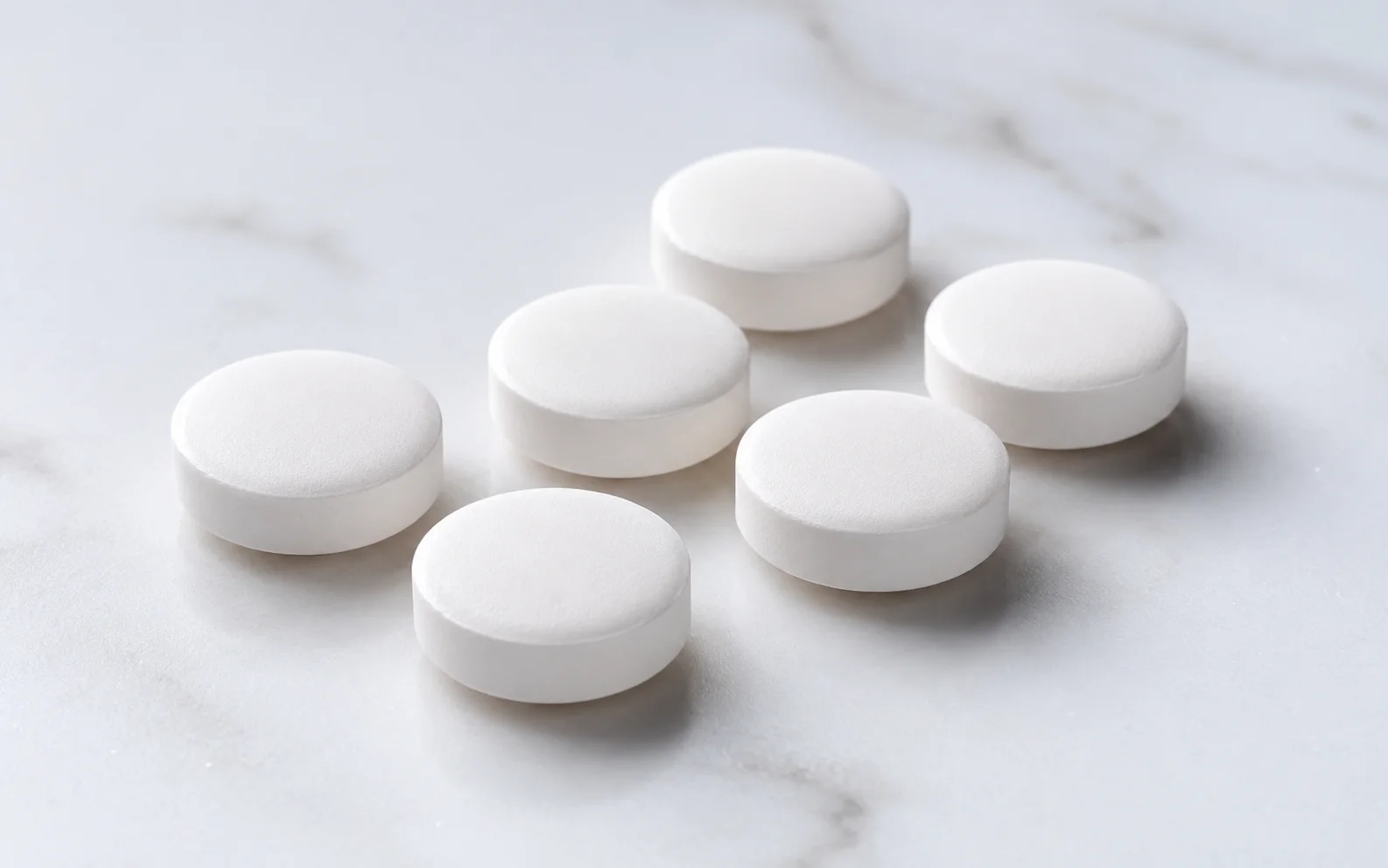
In May 2026 the cost picture gained a new option. Novo Nordisk launched the Ozempic pill — a once-daily oral semaglutide tablet for type 2 diabetes, in 1.5, 4 and 9 mg strengths. It is not a new drug: it is the oral semaglutide previously sold in the United States as Rybelsus, reformulated and rebranded under the Ozempic name. Rybelsus continues to be sold outside the US.
For cash-pay patients the pill is priced lower than the injection — in the range of roughly $149 to $299 a month depending on dose — and insured patients may pay around $25 for an introductory period. Two things are worth knowing: the Ozempic pill is approved for type 2 diabetes, not weight loss; and because it was reformulated, its doses do not match Rybelsus milligram-for-milligram, so anyone moving from the old tablet should confirm the new dose with their prescriber rather than assume it carries across.
💊 Looking for a Lower-Cost Compounded Option?
For cash-pay patients, compounded semaglutide is a lower-cost compounded option through a clinician-supervised telehealth model. Direct Meds offers Summer 2026 promotional pricing:
- Compounded Semaglutide: $147 first month ($150 OFF regular $297)
- Clinician-supervised dosing and titration support
- 503B compounding pharmacy network — patient-specific prescriptions
- LegitScript-certified telemedicine compliance
- USP <795> and USP <797> sterile compounding standards
- Available in 48 states (excludes MS and LA)
Compounded semaglutide contains semaglutide, but the compounded product itself is not an FDA-approved finished product and is not reviewed by the FDA for safety, effectiveness or quality. Whether it is appropriate for you is a decision for you and your clinician.
Frequently Asked Questions
How much does Ozempic cost without insurance in 2026?
The retail list price is about $1,000 a month. But the most predictable cash route is Novo Nordisk’s NovoCare self-pay pharmacy, which prices the Ozempic injection at $349 a month for the 0.25, 0.5 and 1 mg doses and $499 a month for the 2 mg dose. The Ozempic pill is lower still, roughly $149 to $299 a month depending on dose.
Why is Ozempic so much cheaper for diabetes than for weight loss?
Because Ozempic is FDA-approved for type 2 diabetes. Insurance plans and the manufacturer’s savings card are tied to a drug’s approved use, so a diabetes patient can often get Ozempic for a $25 copay — or free through patient assistance. Used off-label for weight loss, those doors mostly close, and patients pay cash.
Does the NovoCare Savings Card work for weight loss?
Generally no. The savings card lowers the copay for patients with commercial insurance that covers Ozempic — and coverage normally exists only for the approved use, type 2 diabetes. If you are using Ozempic off-label for weight loss without coverage, the card does not apply, and the NovoCare self-pay price is the relevant figure.
Is there a generic version of Ozempic?
No. There is no generic semaglutide injection available in the United States in 2026, which is a major reason the price stays high. Compounded semaglutide is not a generic — it is a non-FDA-approved preparation made by compounding pharmacies, available while patient-specific compounding remains permitted.
Is the Ozempic pill cheaper than the injection?
For cash-pay patients, yes — the Ozempic pill, launched in May 2026, is priced lower than the injection, around $149 to $299 a month by dose. It is the former Rybelsus, reformulated and rebranded. Note that it is approved for type 2 diabetes, and its doses are not interchangeable with old Rybelsus doses.
The Bottom Line
Ozempic’s roughly $1,000 list price is the number that scares people, and the number almost nobody pays. What you actually pay turns on why you are taking it. With type 2 diabetes, Ozempic is used as approved — commercial insurance and Medicare cover it, the NovoCare Savings Card can bring the copay to about $25 a month, and patient assistance can make it free. For weight loss, the drug is off-label, coverage mostly disappears, and you are looking at cash pricing: about $349 to $499 a month for the injection through NovoCare, less for the new Ozempic pill.
If weight loss is the goal and you are paying out of pocket, it is worth stepping back before committing to off-label Ozempic. Wegovy is the semaglutide approved for that purpose, and compounded semaglutide is usually the lowest-priced route — each with its own trade-offs. The single most useful thing you can do is be clear with your prescriber about why you are taking the drug, then match the medication and the payment route to that answer.
Considering a Compounded Option?
For cash-pay patients pursuing semaglutide, Direct Meds offers compounded semaglutide through a clinician-supervised telehealth model, with Summer 2026 promotional pricing:
- $150 OFF first month compounded semaglutide injection ($147 vs regular $297)
- Licensed clinician reviews eligibility and oversees dosing and titration
- 503B compounding pharmacy network — patient-specific prescriptions
- LegitScript-certified telemedicine compliance
- USP <795> and USP <797> sterile compounding standards
- Telemed evaluation included (typically $99 value), 1-2 day FedEx/UPS shipping
- Available in 48 states (excludes MS and LA)
180,000+ patients have used Direct Meds; current Trustpilot rating 4.8. Compounded semaglutide contains semaglutide, but the compounded product itself is not an FDA-approved finished product and is not reviewed by the FDA for safety, effectiveness or quality. Whether it is appropriate for you is a decision for you and your clinician.
Affiliate disclosure: allcheminfo.com receives commission when readers start treatment through Direct Meds. Recommendation based on their 503B pharmacy partnership, LegitScript certification, and clinician-supervised model — not commission rate.
This article is general information, not medical or financial advice. Prices reflect the situation as of May 2026 and change frequently; confirm current pricing with NovoCare, your pharmacy or your insurer before making decisions.