- Same Molecule, Same Doses — Different Labels
- Do They Produce Different Weight Loss?
- Zepbound’s Extra Indication — Obstructive Sleep Apnea
- Which One Should You Take, and What It Costs
- Side Effects and Switching
- Frequently Asked Questions
- Are Mounjaro and Zepbound the same thing?
- Does Zepbound work better than Mounjaro for weight loss?
- Can I take Mounjaro for weight loss?
- Is Zepbound cheaper than Mounjaro?
- Can I switch from Mounjaro to Zepbound?
- The Bottom Line
Affiliate disclosure: This article contains affiliate links, and allcheminfo.com may earn a commission if you use them, at no extra cost to you. This article is informational and is not medical advice — decisions about prescription medication should be made with a qualified clinician.
Mounjaro and Zepbound are made by the same company, contain the same active ingredient, and — unlike some other GLP-1 pairs — are available in exactly the same doses. They are, pharmacologically, the same medicine. Yet they are sold under two names, approved for different conditions, priced and covered differently, and surrounded by a persistent myth that one produces more weight loss than the other. This article clears that up: what genuinely separates Mounjaro and Zepbound, what does not, and which one you actually need.
Same Molecule, Same Doses — Different Labels
Mounjaro and Zepbound both contain tirzepatide, and both are made by Eli Lilly. Tirzepatide is a dual agonist — it activates two gut-hormone receptors, GLP-1 and GIP — which sets it apart from semaglutide, the single-receptor GLP-1 drug in Ozempic and Wegovy.
Here is where Mounjaro and Zepbound differ from the Ozempic-versus-Wegovy pair. Ozempic and Wegovy have different maximum doses. Mounjaro and Zepbound do not. Both come in the same six weekly doses — 2.5, 5, 7.5, 10, 12.5 and 15 mg — given as a single-dose injection and titrated upward over months. Same molecule, same strengths, same schedule.
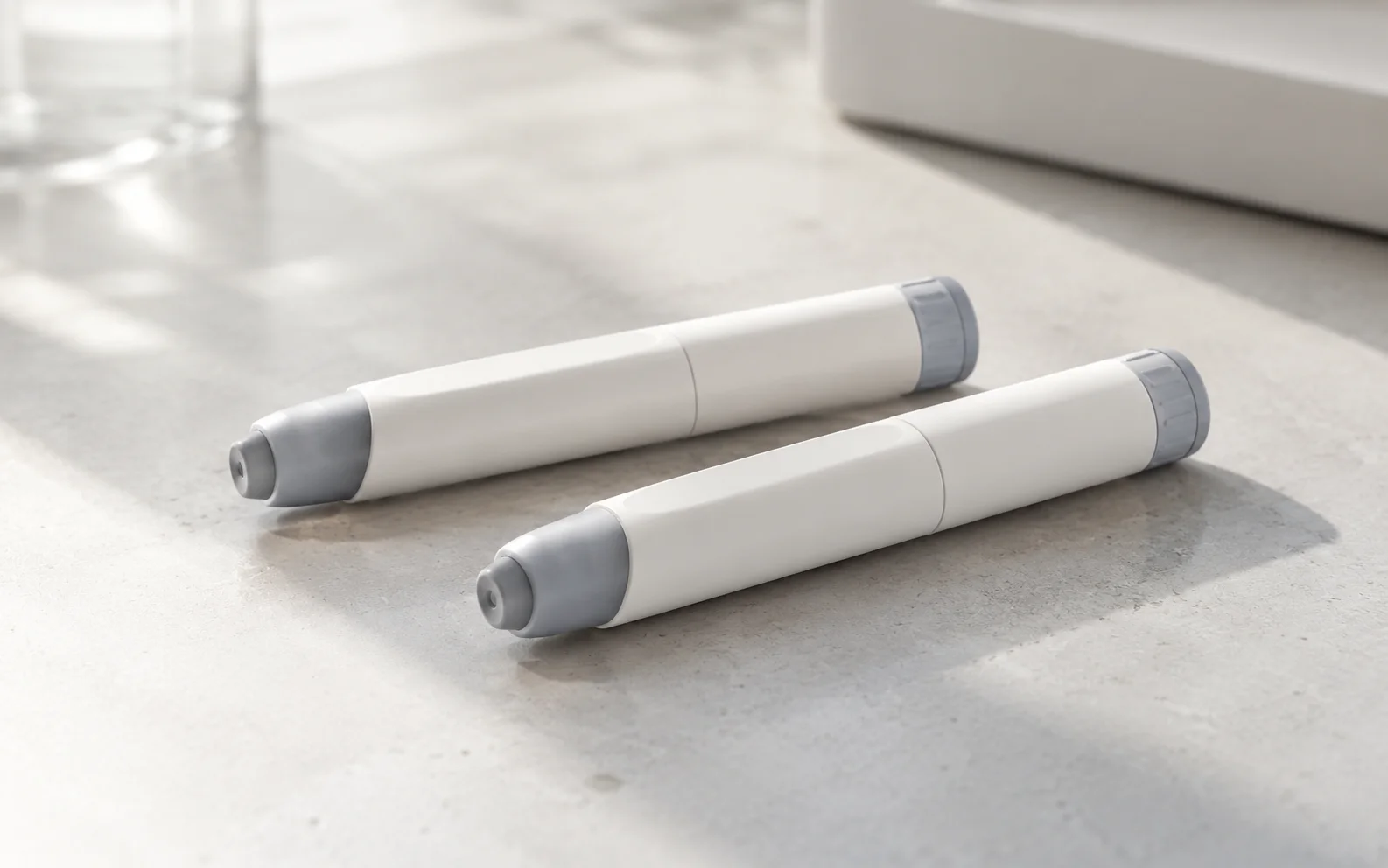
What differs is the FDA-approved indication. Mounjaro is approved for type 2 diabetes — to improve blood-sugar control in adults with the condition. Zepbound is approved for chronic weight management in adults with obesity, or overweight plus a weight-related condition, and — since December 2024 — for obstructive sleep apnea. That indication split, not the drug itself, is the real story.
At a glance, here is how the two compare:
| Feature | Mounjaro | Zepbound |
|---|---|---|
| Active ingredient | Tirzepatide | Tirzepatide |
| Drug class | Dual GLP-1/GIP receptor agonist | Dual GLP-1/GIP receptor agonist |
| FDA-approved for | Type 2 diabetes | Chronic weight management; obstructive sleep apnea |
| Weekly doses | 2.5–15 mg (six steps) | 2.5–15 mg (six steps) |
| Forms | Single-dose injector pen; single-dose vials | Single-dose injector pen; vials; KwikPen |
| List price (monthly) | Around $1,080 | Around $1,086 |
| Self-pay discount program | No discounted self-pay vial program | LillyDirect self-pay vials, roughly $299–449/month |
| Usual insurance coverage | Covered for type 2 diabetes | Covered by some plans for weight management or sleep apnea |
Do They Produce Different Weight Loss?
If you have read other Mounjaro-versus-Zepbound comparisons, you have probably seen a claim along the lines of “Zepbound produces about 22% weight loss, Mounjaro about 15%.” That comparison is misleading, and it is worth understanding why.
Mounjaro and Zepbound are the same drug at the same doses. At any given dose, they produce the same effect on appetite and the same weight loss. There is no pharmacological difference, because there is no pharmacological difference to have — it is one molecule.
So where does the “22% versus 15%” gap come from? Trial design. Zepbound’s weight-loss figures come from the SURMOUNT trials, which enrolled people with obesity, without diabetes, and titrated them toward the higher doses — in SURMOUNT-1, participants at 15 mg lost an average of around 21% to 22% of their body weight over 72 weeks. Mounjaro’s figures come from the SURPASS trials, which enrolled people with type 2 diabetes, where weight loss was a secondary outcome. People with diabetes tend to lose somewhat less weight on these drugs, and those trials were not designed to push weight loss. The gap reflects who was studied and how — not a difference in the drug.
The honest takeaway: at the same dose, in the same person, Mounjaro and Zepbound do the same thing. If someone taking Mounjaro for diabetes reaches 15 mg, their weight loss is, on average, the same as someone on Zepbound 15 mg. The numbers differ in the marketing because the trials differed — not because the medicine does.
One more practical point: the effect is dose-dependent, but you do not have to reach 15 mg to see substantial results. In SURMOUNT-1, even the 5 mg maintenance dose produced an average weight loss of about 16%. Many people settle at a mid-range dose that works well for them rather than pushing to the maximum — a decision made with the prescriber, based on results and tolerability.
Zepbound’s Extra Indication — Obstructive Sleep Apnea
One genuine, non-cosmetic difference between the two: Zepbound is FDA-approved for obstructive sleep apnea, and Mounjaro is not.
In December 2024, Zepbound became the first — and so far only — medication of its kind approved to treat obstructive sleep apnea in adults with obesity. The approval was based on the SURMOUNT-OSA trial, which found that tirzepatide substantially reduced the severity of sleep apnea, in some patients enough that they no longer met the threshold for the condition. The mechanism is partly straightforward: losing weight reduces the soft-tissue load around the airway that drives obstructive sleep apnea.
Why does this matter beyond sleep apnea itself? Coverage. Obstructive sleep apnea is a recognized medical condition that insurers are accustomed to treating, so the OSA indication can open a coverage path for Zepbound that pure weight-management coverage does not. A patient who has both obesity and diagnosed obstructive sleep apnea may find Zepbound covered on the strength of the sleep-apnea diagnosis, even under a plan that excludes weight-loss drugs. It is worth raising specifically with both your clinician and your insurer.
Which One Should You Take, and What It Costs
Because Mounjaro and Zepbound are the same drug, choosing between them is not really a medical decision about the medicine — it is a decision driven by your diagnosis, your insurance and the available pricing.
If you have type 2 diabetes, Mounjaro is the on-label diabetes product, and insurers are far more likely to cover tirzepatide when it is prescribed as Mounjaro for diabetes. Because it is the same tirzepatide as Zepbound, the weight loss comes with it — which matters for the many people who have both diabetes and obesity. If you do not have diabetes and your goal is weight loss, or you have obstructive sleep apnea, Zepbound is the on-label choice; for adults it is approved at a BMI of 30 or higher, or 27 or higher alongside a weight-related condition. As with Ozempic, prescribing Mounjaro off-label for weight loss is increasingly likely to be rejected by insurers — the off-label route is not the shortcut it once was.
On cost, the two are close at list price — both run roughly $1,080 a month — which makes sense, since it is the same drug from the same manufacturer. The meaningful cost difference is in the self-pay options. Eli Lilly offers a self-pay program for Zepbound through its LillyDirect pharmacy: single-dose vials at cash prices that have run roughly $299 to $449 a month depending on dose, well below list price. Mounjaro has no equivalent discounted self-pay vial program. So, paradoxically, a cash-paying patient may find the weight-management drug, Zepbound, easier to afford than the diabetes drug, Mounjaro. Both also have a manufacturer savings card that can cut the cost to as little as $25 a month — but only for people with commercial insurance, not Medicare or Medicaid. Our detailed guides to Zepbound cost and Mounjaro cost lay out every route.
💊 Looking for a Lower-Cost Compounded Option?
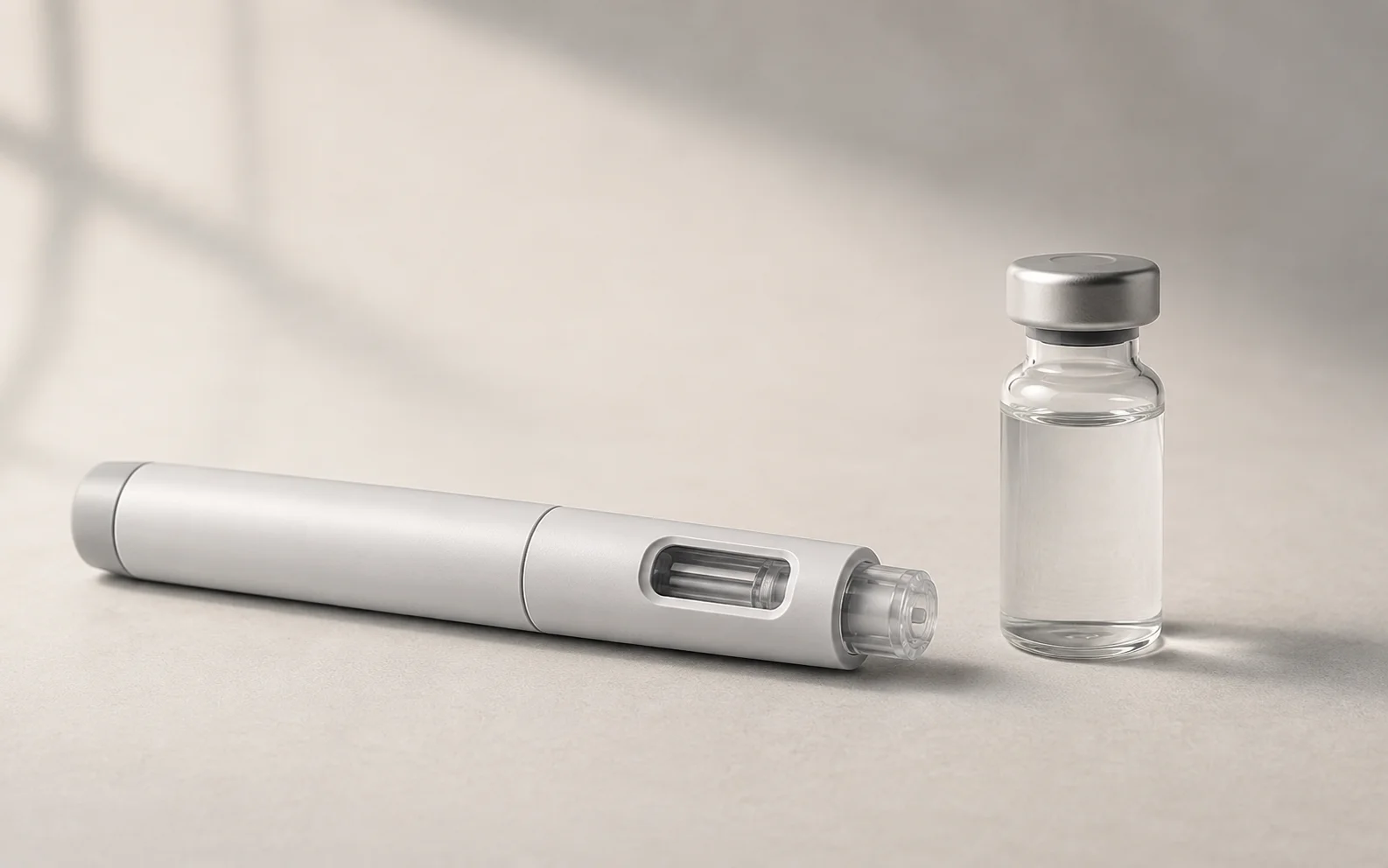
For cash-pay patients, compounded tirzepatide is a lower-cost compounded option through a clinician-supervised telehealth model. Direct Meds offers Summer 2026 promotional pricing:
- Compounded Tirzepatide: $297 first month ($200 OFF regular $497)
- Clinician-supervised dosing and titration support
- 503B compounding pharmacy network — patient-specific prescriptions
- LegitScript-certified telemedicine compliance
- USP <795> and USP <797> sterile compounding standards
- Available in 48 states (excludes MS and LA)
Compounded tirzepatide contains tirzepatide, but the compounded product itself is not an FDA-approved finished product and is not reviewed by the FDA for safety, effectiveness or quality. Whether it is appropriate for you is a decision for you and your clinician.
Side Effects and Switching
Since Mounjaro and Zepbound are the same drug, their side effects are the same. The most common are gastrointestinal — nausea, diarrhea, vomiting, constipation — and they are dose-dependent, more pronounced as the dose climbs, which is why both are titrated up slowly. Tirzepatide also carries the same warnings as others in its class, including a boxed warning about a risk of thyroid C-cell tumors seen in animal studies, and a known association with gallbladder problems and, less commonly, pancreatitis. These apply equally to Mounjaro and Zepbound, because they are equally tirzepatide. Our guide to GLP-1 gastrointestinal side effects covers managing the common ones.
Switching between Mounjaro and Zepbound is the most straightforward switch in this entire drug class: it is the identical molecule at identical doses, so a prescriber moving a patient from one to the other simply continues at the same dose. The reason to switch is almost never the medicine — it is a change in diagnosis, a change in insurance coverage, or access to a better price under the other name. As always, do it through your prescriber so the prescription and dose are correct.
Frequently Asked Questions
Are Mounjaro and Zepbound the same thing?
They contain the same active ingredient — tirzepatide — are made by the same company, and come in the same six doses. The differences are the FDA-approved use, the branding, the price and coverage, and Zepbound’s extra forms. Pharmacologically, they are the same medicine.
Does Zepbound work better than Mounjaro for weight loss?
No. At the same dose, they produce the same weight loss — it is one molecule. The “about 22% versus 15%” gap often quoted is a trial-design artifact: Zepbound’s SURMOUNT trials studied people with obesity titrated to high doses, while Mounjaro’s SURPASS trials studied people with diabetes, where weight loss was a secondary outcome. The drug is identical.
Can I take Mounjaro for weight loss?
Doctors do prescribe Mounjaro off-label for weight loss, and it works — it is the same tirzepatide as Zepbound. But Mounjaro is not FDA-approved for weight loss, and insurers increasingly reject off-label Mounjaro prescribed for that purpose. If weight loss is the goal, Zepbound is the on-label choice.
Is Zepbound cheaper than Mounjaro?
Their list prices are nearly the same, around $1,080 a month. But Zepbound has a LillyDirect self-pay vial program, with cash prices that have run roughly $299 to $499 a month, and Mounjaro has no equivalent program. So for a cash-paying patient, Zepbound can actually be the more affordable of the two.
Can I switch from Mounjaro to Zepbound?
Yes, and it is the simplest switch in this drug class — the same molecule at the same doses, so the prescriber continues you at the same dose. The reasons to switch are about diagnosis, insurance coverage or price, not the medicine itself.
The Bottom Line
Mounjaro and Zepbound are, more than almost any other branded pair in the GLP-1 world, the same drug — identical molecule, identical doses, identical effects. Mounjaro is the type 2 diabetes label; Zepbound is the weight-management and obstructive-sleep-apnea label. The differences that matter to you are not in the medicine but around it: which condition you are treating, what your insurance will cover, and — for cash payers — the fact that Zepbound has a manufacturer self-pay program and Mounjaro does not.
So the choice is genuinely simple. If you have type 2 diabetes, Mounjaro is the drug written for that diagnosis. If your goal is weight management, or you have obstructive sleep apnea, Zepbound is the on-label choice — and it may be the more affordable one. The decision belongs with a clinician, but it is reassuring to know that whichever name is on the pen, the medicine inside is the same. For how the tirzepatide drugs sit alongside the semaglutide ones, see our full brand comparison.
Considering a Compounded Option?
For cash-pay patients pursuing tirzepatide, Direct Meds offers compounded tirzepatide through a clinician-supervised telehealth model, with Summer 2026 promotional pricing:
- $200 OFF first month compounded tirzepatide injection ($297 vs regular $497)
- Licensed clinician reviews eligibility and oversees dosing and titration
- 503B compounding pharmacy network — patient-specific prescriptions
- LegitScript-certified telemedicine compliance
- USP <795> and USP <797> sterile compounding standards
- Telemed evaluation included (typically $99 value), 1-2 day FedEx/UPS shipping
- Available in 48 states (excludes MS and LA)
180,000+ patients have used Direct Meds; current Trustpilot rating 4.8. Compounded tirzepatide contains tirzepatide, but the compounded product itself is not an FDA-approved finished product and is not reviewed by the FDA for safety, effectiveness or quality. Whether it is appropriate for you is a decision for you and your clinician.
Affiliate disclosure: allcheminfo.com receives commission when readers start treatment through Direct Meds. Recommendation based on their 503B pharmacy partnership, LegitScript certification, and clinician-supervised model — not commission rate.
This article is general information, not medical advice. Drug indications, doses, prices and programs reflect the situation as of May 2026 and can change; confirm current details and discuss treatment with a qualified clinician.